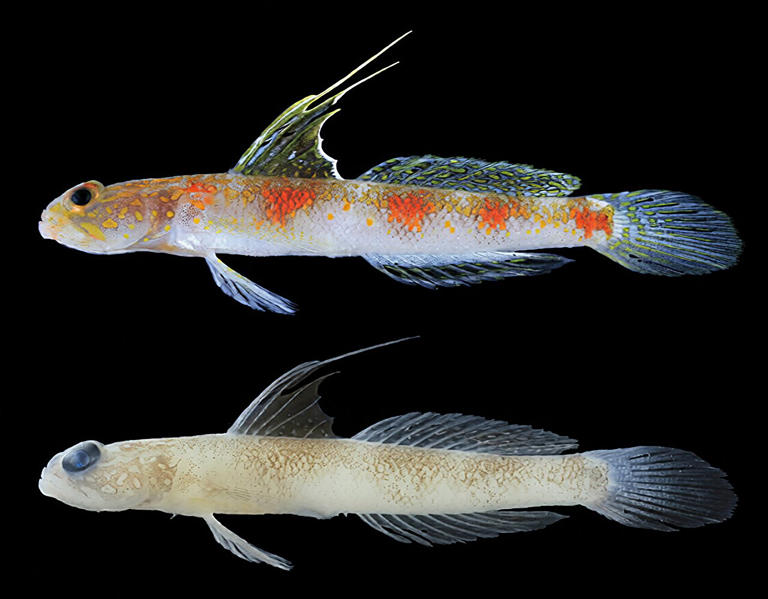
FIKKIA NEWS – Researchers from the Center for Biosystematics and Evolution Research together with the Center for Applied Zoology Research of the National Research and Innovation Agency (STRAND) successfully identified a new species of shrimp goby (shrimp goby) from the coastal waters of Banyuwangi, East Java. This discovery adds to Indonesia's marine biodiversity and demonstrates the importance of biodiversity research in coastal areas.
Responding to these findings, Lecturer of Aquatic Environmental Management, Aquaculture Study Program, Faculty of Health, Medicine, and Natural Sciences (FIKKIA), Airlangga University, Alin Asyabil, S.Pi., MP, explains that the existence of new species is not only important from a taxonomic perspective, but also provides information about the condition of the coastal ecosystem where the organism lives.
New Species from Banyuwangi Waters
Researcher at the BRIN Biosystematics and Evolution Research Center, Kunto Wibowo, named the new species Tomiyamichthys oriens through an integrative taxonomic approach that combines morphological characters and DNA analysis using markers cytochrome c oxidase subunit I (COI).
Name oriens comes from Latin meaning “east” or “sunrise”. The name refers to Banyuwangi's nickname as The Sunrise of JavaMorphologically, this species is characterized by five orange spots along its body.
According to Alin, this discovery shows that the Banyuwangi coastal area still has biodiversity potential that needs to be further researched.
"Invention Tomiyamichthys oriens "This shows that Banyuwangi's waters still harbor biodiversity that is important to study. This kind of information can serve as a basis for supporting coastal ecosystem management," he explained.
Depends on Seafloor Habitat
Ecologically, Tomiyamichthys oriens live on the sandy bottom of waters and form a mutualistic symbiotic relationship with pistol shrimp (pistol shrimp). Shrimp dig and maintain burrows in the sand substrate as shelter, while gobies play a role in detecting the presence of predators through their better eyesight.
This relationship makes both organisms highly dependent on the conditions of the seabed habitat.
Alin explained that sandy substrates often aren't a primary focus in conservation efforts compared to coral reef ecosystems or seagrass meadows. However, damage to these bottom habitats can directly impact the organisms living within them.
"Gobies and pistol shrimp depend on the quality of the sandy substrate for habitat. If the underlying habitat is damaged by human activity, their habitat will also be affected," he said.
He added that activities such as sand mining, sedimentation due to waste, and the use of fishing gear that damages the waterbed have the potential to reduce the quality of benthic habitats needed by various coastal biota.
Habitat Protection Needs to be Comprehensive
According to Alin, coastal area management should not only focus on organisms living on coral reefs, but also pay attention to the seabed habitat which is home to various benthic species.
He also encouraged the involvement of universities, local governments, communities, and students in supporting research and monitoring of coastal ecosystems.
"Students can contribute through bioecological research, water quality monitoring, and educational activities with the community. The scientific data generated can support efforts to manage and preserve coastal ecosystems sustainably," Alin concluded.
Author: Farra Azzahrani
Editor: Avicenna C. Nisa