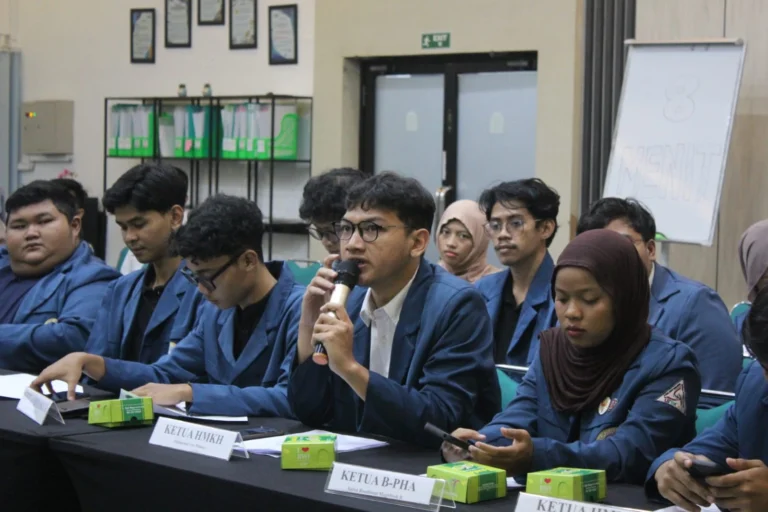
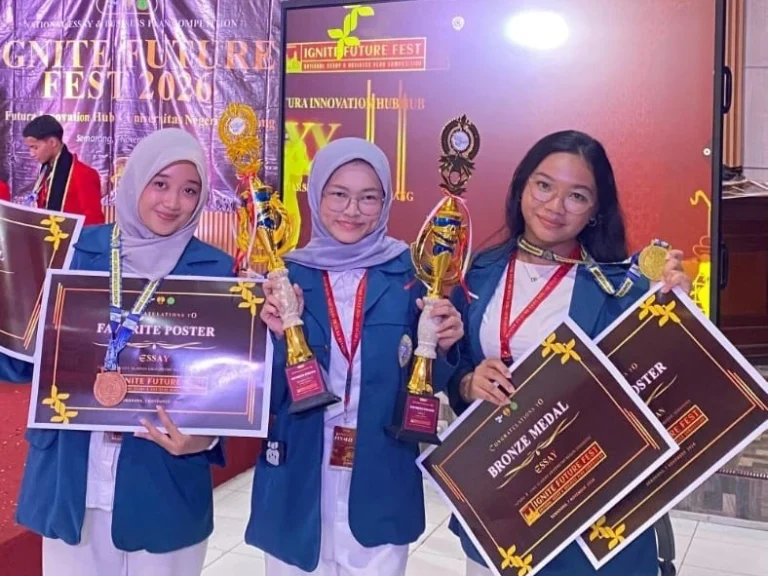
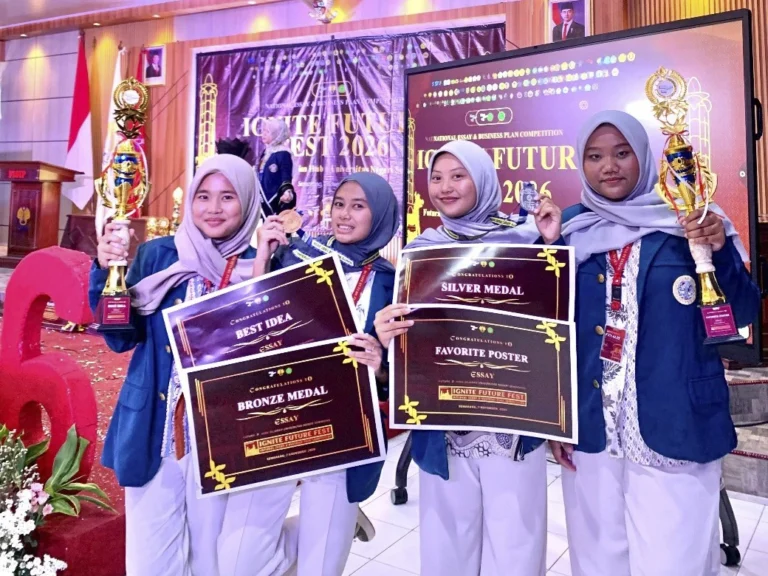
FIKKIA NEWS – Eight students majoring in Epidemiology from the Public Health Study Program, FIKKIA, Airlangga University, presented the results of their observations of mosquito larvae. Aedes aegyptiThe seminar took place in the Klatak Community Health Center Hall on Thursday, June 25, 2026. This activity was an output of the Tropical Epidemiology course. Students identified the presence of mosquito larvae as an indicator of the risk of Dengue Hemorrhagic Fever (DHF) transmission.
Field observations took place on June 17, 2026. The observation location was in the Tanjung Solong neighborhood, RT 02 and RT 03, Klatak sub-district. The team inspected 96 homes to identify water reservoirs and mosquito larvae. The results were then analyzed and disseminated to the Klatak Community Health Center.

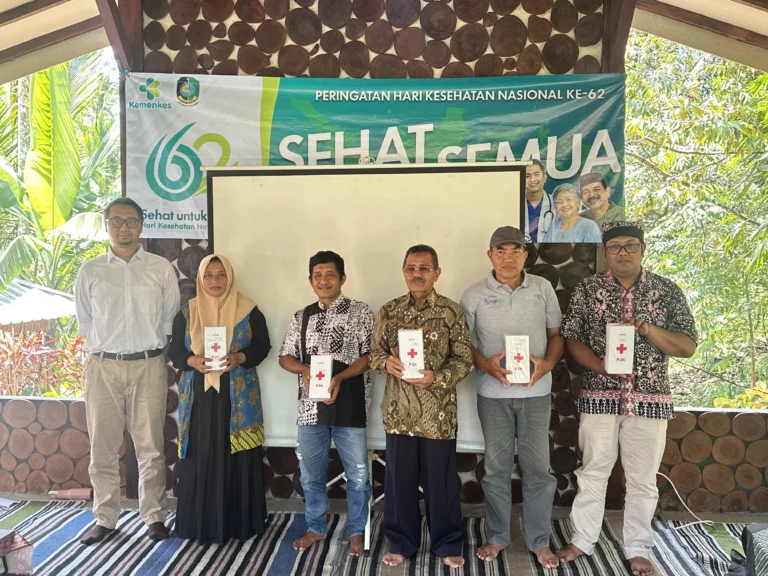
The seminar was attended by the Head of the Klatak Community Health Center, Drg. Rissa. Ayik Mirayanti, S.KM., M.Kes., a lecturer in Tropical Epidemiology, also participated. Residents whose homes were still found to harbor mosquito larvae also attended the seminar. Aqila Fawziya Mustafa and Syafira Kurnia presented their observations on behalf of the student team.
Find Medium Category Larva Density
Observation results show that there are still larvae Aedes aegypti in residential areas. The team received a score House Index (HI) by 33,33 percent. The value Container Index (CI) reached 20 percent. Meanwhile, Breteau Index (BI) The mosquito larvae-free rate (ABJ) reached 66,67 percent.
Students also count Density Figure (DF) of five. This value indicates that the density of mosquito larvae is in the moderate category. This finding indicates that the environment still has the potential to support the breeding of dengue-transmitting mosquitoes.
The ABJ value also remains below the national target. The Ministry of Health has set a minimum ABJ target of 95 percent. These results indicate that community mosquito larvae control still needs to be strengthened.
Based on observations, the Tanjung Solong neighborhoods of RT 02 and RT 03 still have a potential risk of dengue fever transmission. Through this seminar, students presented the study results to stakeholders and the community. This dissemination is expected to form the basis for strengthening dengue fever prevention efforts through sustainable mosquito breeding sites.
"We appreciate the students who conducted house-to-house observations. The results of this activity will serve as evaluation material for us to strengthen environmental hygiene monitoring in an effort to reduce dengue fever (DHF) cases," said the Head of the Klatak Community Health Center, Dr. Rissa.
Through this activity, students not only applied epidemiology in the field but also provided data that can be used as a basis for strengthening dengue prevention at the community level. The team hopes that similar observations can be conducted over a wider area and that community behavioral factors related to the presence of mosquito larvae can be examined. Aedes aegyptiThese results are expected to support the planning of more effective dengue fever control programs.
Author: Aqila Fawzia Mustafa
Editor: Avicenna C. Nisa