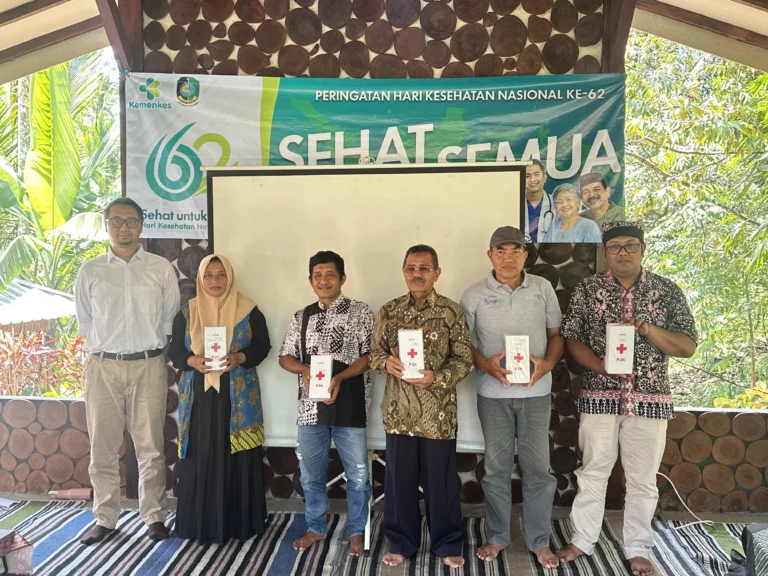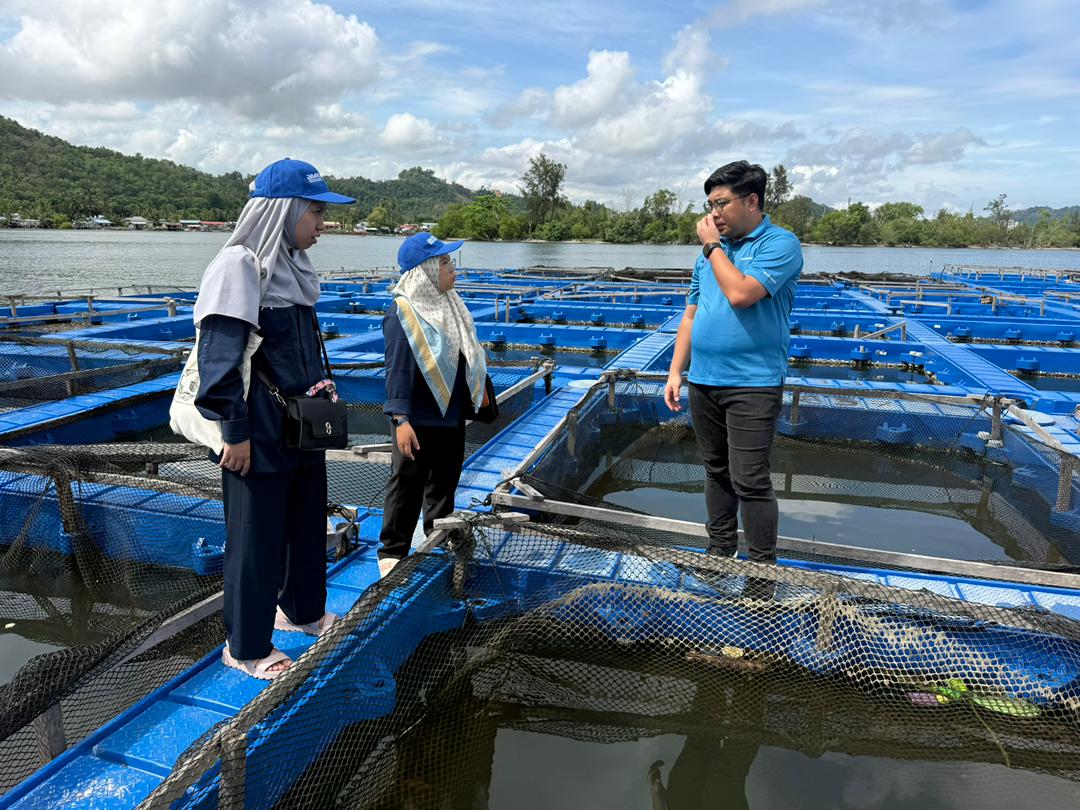
FIKKIA NEWS – Partnership between Airlangga University and Borneo Marine Institute, Universiti Malaysia Sabah (UMS) continues to develop through community service activities. One example of this collaboration was an international educational event on Sunday, June 13, 2026, at Ko-Nelayan Trayong, Eco Fishing Point, Tuaran, Sabah, Malaysia. This event focused on developing marine fisheries cultivation through the application of Floating Net Cage (KJA) technology.
FIKKIA Aquaculture Lecturer Dwi Retna Kumalaningrum, S.Pi., MP with Dr. Norfrazeena Mohd Fauzi attended to greet and learn from 30 farmers, fishermen, and academics in Tuaran. This program provided a platform for sharing knowledge on marine cultivation practices applicable in coastal areas. Here's what Retna shared with FIKKIA NEWS contributors (June 18, 2026).
Getting to Know Floating Net Cage Technology
The Turuan waters are known for their floating net cage (KJA) cultivation, a method of fish farming. This technology allows cultivation to be carried out without requiring extensive land, making it an option for coastal communities.
Participants received an explanation of the basic operational principles of KJA, including aspects of cage placement, water quality management, feed management, and fish maintenance during the cultivation period. The material also covered the application of good cultivation principles (Good Aquaculture Practices) to support the quality of production results.
The community service team explained that successful cultivation is determined not only by fish growth but also by sustainable management of the aquatic environment. Therefore, various technical aspects of cultivation were introduced as part of efforts to maintain a balance between productivity and environmental sustainability.
Potential of Bintang Pomfret and Oysters in Tuaran Waters
Apart from KJA technology, this activity also discussed the potential for developing star pomfret (Trachinotus blochii) and oysters as cultivated commodities in the Tuaran region. These two commodities were chosen because they are well-known in the marine aquaculture sector and have economic value for coastal communities.
Participants received information on seed selection techniques, maintenance requirements, feed management, disease prevention, and harvesting strategies. Discussions also addressed the various challenges faced in marine aquaculture, drawing on the experiences of both participants and presenters.
Through this interactive session, participants can exchange experiences regarding cultivation practices that have been implemented in the field and obtain input regarding cultivation business management that is appropriate to local conditions.
Strengthening Collaboration and Field Learning
This community service activity is part of a collaboration between Airlangga University and Universiti Malaysia Sabah in the areas of aquaculture and coastal community empowerment. In addition to providing education to the community, the program also involves students from both universities in the field learning process.
Through direct involvement in the community, students have the opportunity to understand the application of marine cultivation technology, recognize the challenges faced by fisheries business actors, and observe aquaculture management practices in coastal areas of Sabah.
This activity is expected to support the exchange of knowledge between universities and the community while strengthening understanding of marine cultivation management that takes into account aspects of productivity and environmental sustainability.
Author: Sabitha Helmi
Editor: Avicenna C. Nisa