


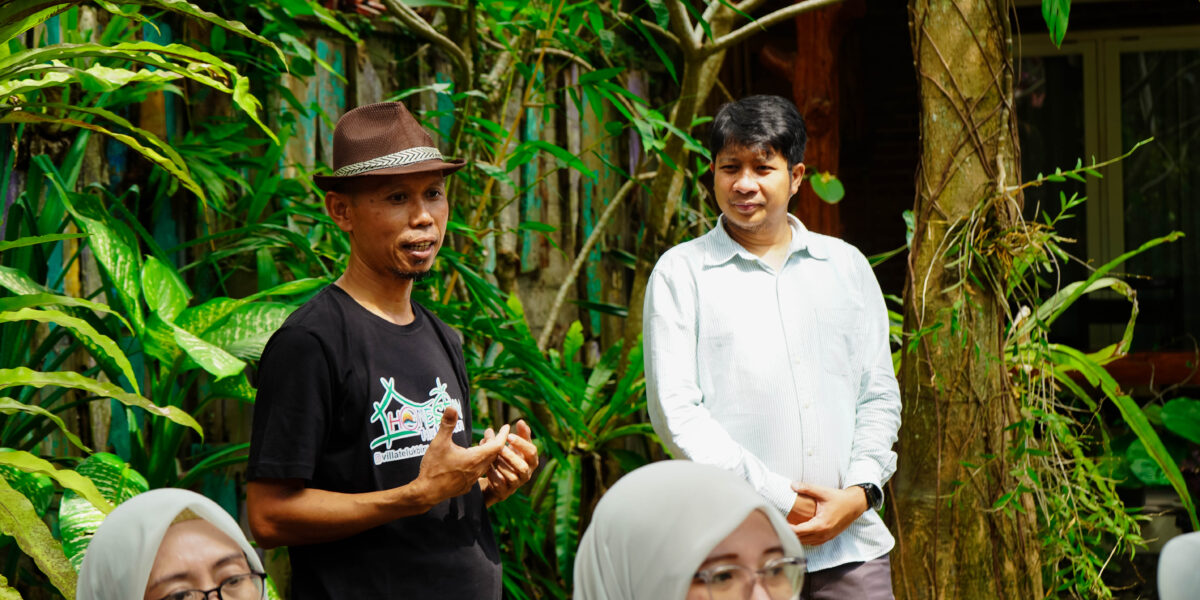
FIKKIA NEWS – Faculty of Health, Medicine, and Natural Sciences (FIKKIA) Airlangga University held a cross-faculty Community Service (Pengmas) Coordination event on Saturday (August 1, 2026). The coordination aimed to strengthen collaboration between faculties in designing impactful and sustainable community service programs.
The coordination meeting was attended by Deputy Deans III from various faculties and the Graduate School of Airlangga University. In addition to discussing the implementation plan, Airlangga Community Development Hub (ACDH) In 2026, this forum will also be the first step in developing a community service strategy for 2027.
Identifying Village Potential Directly
The series of activities began with a field visit to Wringinputih Village, Muncar, Banyuwangi. Participants conducted direct observations to identify the village's potential and map the needs of the local community as a basis for developing community service programs.
In the activity, participants were divided into three groups based on their academic fields. The first group, which examined the potential for developing dragon fruit farming, was attended by members from the Faculty of Pharmacy, the Faculty of Advanced Technology and Multidisciplinary Studies, and the Faculty of Science and Technology.
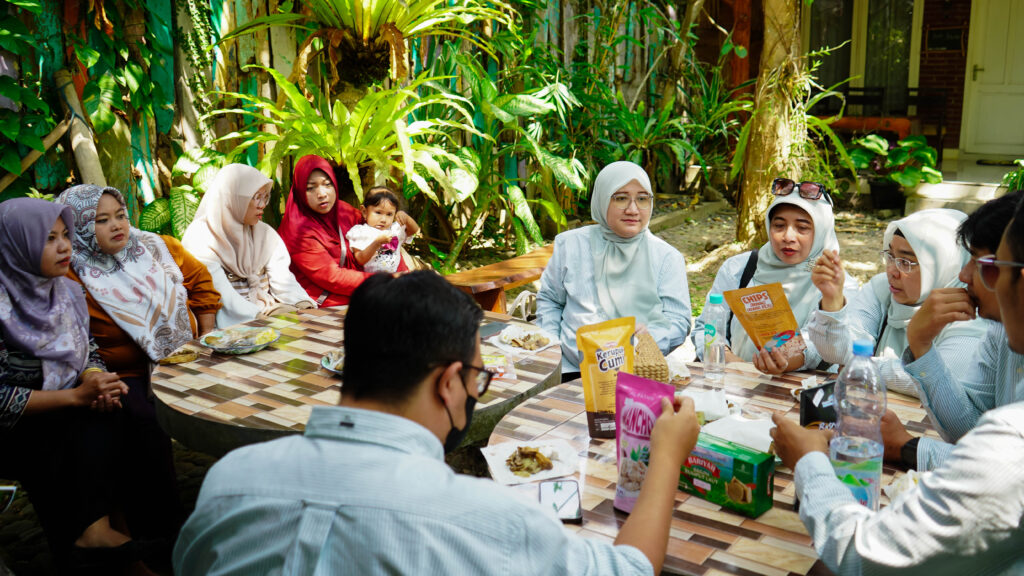
The second group analyzed the needs and preferences of fishery product processors/fishermen. This group involved the Faculty of Fisheries and Marine Sciences, the Faculty of Public Health, the Faculty of Fisheries and Marine Sciences, the Faculty of Economics and Business, the Faculty of Law, the Faculty of Dentistry, the Faculty of Medicine, and the Faculty of Nursing.
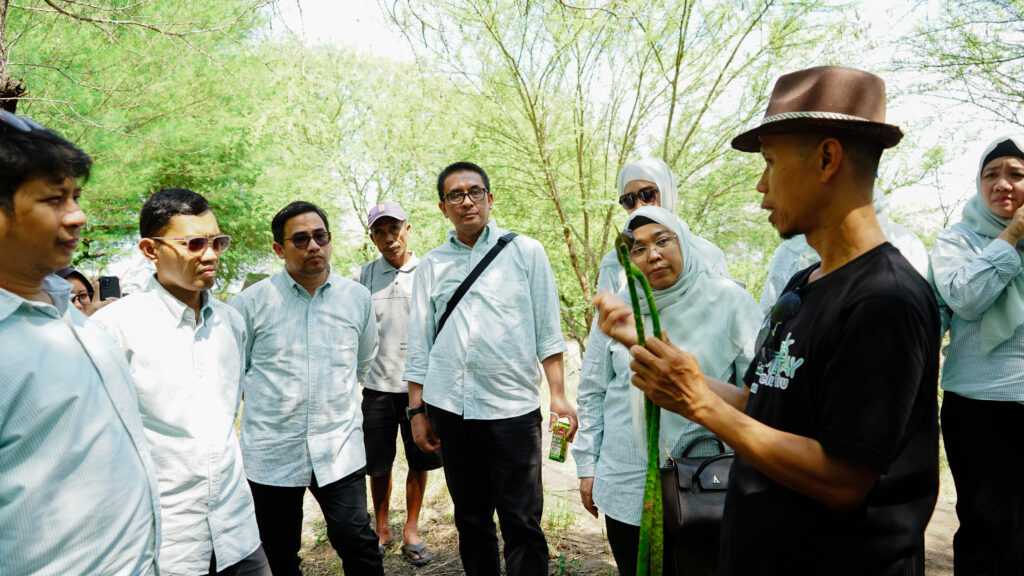
The third group identified the needs and potential for developing mangrove conservation areas. This group comprised FIKKIA, the Faculty of Vocational Studies, the Faculty of Psychology, the Faculty of Social and Political Sciences, the Faculty of Cultural Sciences, the Faculty of Science and Technology, and the Faculty of Veterinary Medicine.
ACDH Coordinator and Deputy Dean III of the Faculty of Fisheries and Marine Sciences, Annur Ahadi Abdillah, Ph.D., explained that the initial survey was conducted to explore the potential of areas that had not been optimally developed.
"At Cemara Beach, there's a mangrove conservation area with the potential to be used for planting and monitoring mangrove growth. Dragon fruit also offers potential for development into a wider variety of food and medicinal products in the agricultural sector," he said.
Each faculty shares experiences, delivers evaluations, and formulates a more collaborative, innovative, and community-oriented service model.
Developing Community Needs-Based Programs
Muhamad Ali Saifudin, head of the Wringinputih Tourism Awareness Group (Pokdarwis), welcomed the collaboration with UNAIR. He said the visit helped the community map various potentials and identify challenges they face.
"Fishery product processing groups and dragon fruit farmers can share the obstacles they have faced and receive input for development," he said.
Through these activities, each faculty gained a real picture of the condition of society while identifying various potential cross-disciplinary collaborations that could be realized in future community service programs.
Getting to Know Banyuwangi's Tourism and Conservation Potential
Following the fieldwork, participants visited the De Djawatan Forest as part of an introduction to the local potential of Banyuwangi Regency. The series concluded with an educational visit to the turtle conservation area at BOOM Beach in Banyuwangi.
At the location, participants received education on coastal ecosystem preservation from the Banyuwangi Sea Turtle Foundation (BSTF). They also participated in releasing baby turtles to support environmental conservation efforts.
Through this coordination, UNAIR hopes to strengthen interfaculty synergy in designing community service programs. Interdisciplinary coordination is expected to provide concrete solutions to various challenges faced by the community. Cross-sector collaboration is expected to be innovative, adaptive, and sustainable for regional development and improving community welfare.
Author: Putri Inova Novita
Editor: Avicenna C. Nisa