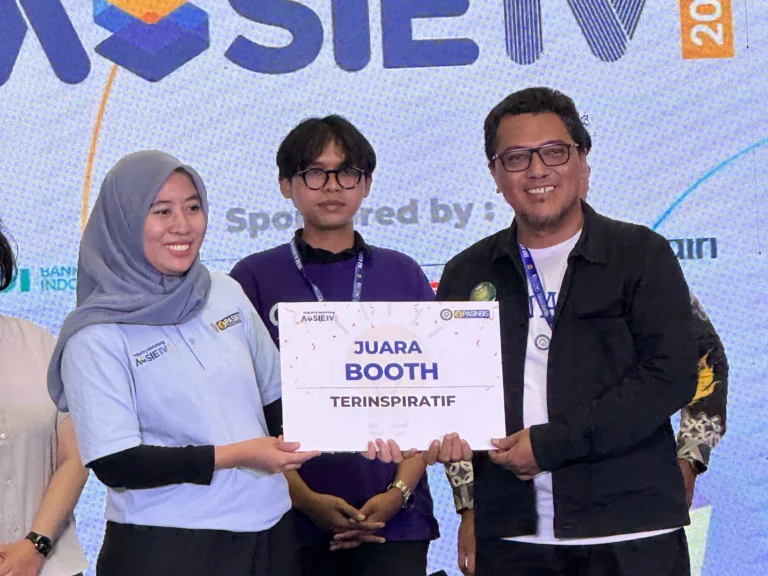
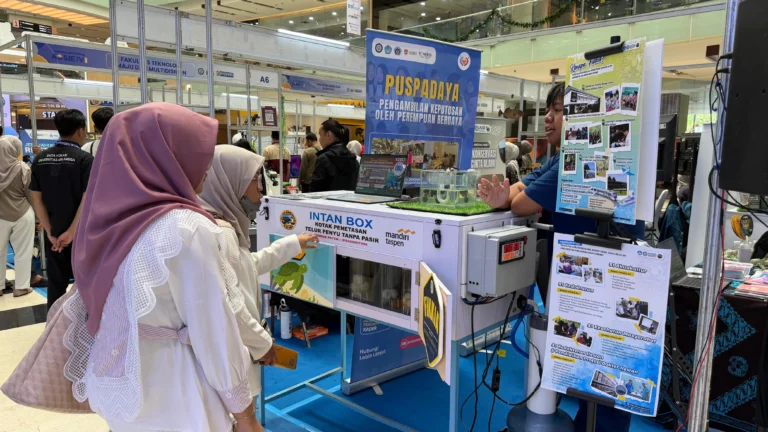
FIKKIA NEWS Molecular diagnostic technology can help more specifically detect pathogens in shrimp. Its use is part of shrimp health monitoring and disease risk management in ponds. This was discussed in a Laboratory Workshop held on Saturday (September 12, 2026) at the Giri Campus of the Faculty of Health, Medicine, and Natural Sciences (FIKKIA), Airlangga University, Banyuwangi. The material was presented by Dr. Sidrotun Naim, a shrimp health expert from Nusantics and an academic from IPMI International Business School.
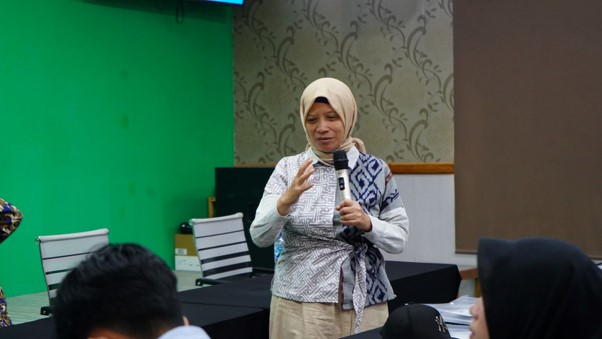
In his presentation, Dr. Naim explained that several shrimp diseases can exhibit similar clinical symptoms. These include Acute Hepatopancreatic Necrosis Disease (AHPND). Enterocytozoon hepatopenaei (EHP), White Spot Syndrome Virus (WSSV), Infectious Myonecrosis Virus (IMNV), and Covert Mortality Nodavirus (CMNV).
Symptoms such as an empty bowel, discolored hepatopancreas, and suboptimal growth can indicate a health problem. However, visual inspection cannot always confirm the type of pathogen causing the problem.
Therefore, laboratory examinations can be used to support pathogen identification and decision-making in shrimp health management.
Conventional PCR and qPCR
Dr. Naim explains the difference between Polymerase Chain Reaction (PCR) conventional and Real-Time PCR (qPCR). These two methods have different functions and characteristics in examining genetic material.
Conventional PCR generally produces qualitative information in the form of a positive or negative result. This test is usually followed by gel electrophoresis to determine the DNA amplification results.
Meanwhile, qPCR allows for monitoring of the amplification process in real time. real-time. The method can also be used to generate quantitative information based on the amplification signal of the target genetic material.
"Conventional PCR only produces qualitative data in the form of positive or negative statements and requires an additional step in the form of gel electrophoresis. In contrast, qPCR can be used to quantify the amount of target genetic material by monitoring the amplification process directly." real-time,” explained Dr. Naim.
Quantitative data from qPCR can help laboratories estimate the number of target pathogens in a sample. These results can be used as a basis for shrimp health monitoring, along with clinical data and environmental parameters.
Understanding the Microbiome through NGS
In addition to qPCR, Dr. Naim introduced Next-Generation Sequencing (NGS) is a technology for studying microbial communities. This technology can be used to map the diversity of microbiomes in the environment and the digestive tract of shrimp.
Understanding microbial communities can help researchers and practitioners understand the relationship between microbiome conditions and shrimp health. This data can also support the development of ecosystem-based health management strategies.
See also: FIKKIA and SCI Discuss Whiteleg Shrimp Health Management
In the session, Dr. Naim also discussed the use of antibiotics in shrimp farming. Inappropriate antibiotic use can increase the risk Antimicrobial Resistance (AMR) or antimicrobial resistance.
AMR occurs when microorganisms undergo changes that make antimicrobial drugs no longer effective against them. This condition is a concern for animal health, the environment, and human health.
Therefore, antimicrobial use must be carried out appropriately and based on appropriate considerations. Health management through disease prevention is one approach that needs to be strengthened.
Molecular Diagnostics Support Biosecurity
Dr. Naim encourages the use of laboratory test results as part of a pond biosecurity system. Pathogen detection can help farmers obtain information about shrimp health before deciding on management actions.
In addition to diagnostics, water quality and microbiome management are also part of disease prevention strategies. The use of probiotics can be one approach to microorganism management in aquaculture systems, taking into account product type, dosage, and pond conditions.
"Through a combination of qPCR-based early detection and balanced microbial ecosystem management, production losses due to disease outbreaks can be minimized," explained Dr. Naim.
The workshop provided participants with an overview of the development of shrimp health diagnostic methods. The material also links laboratory examinations with the application of biosecurity and health management in shrimp cultivation.
Author: Farra Azzahrani
Editor: Avicenna C. Nisa