


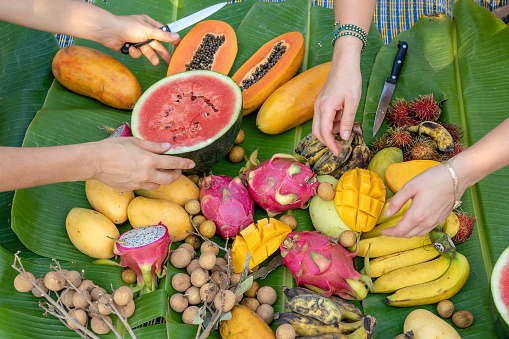
FIKKIA NEWS – Indonesia is known as a tropical country rich in various types of fruit. Bananas, papayas, mangoes, guavas, and even pineapples are available almost year-round. However, Indonesian fruit consumption remains relatively low.
In fact, fruit is an essential part of a healthy diet. Regular fruit consumption helps meet the body's needs for vitamins, minerals, fiber, and various bioactive compounds.
Commemorating National Fruit Day, lecturers of the Public Health Study Program, Public Health Nutrition Specialization, Faculty of Health, Medicine, and Natural Sciences (FIKKIA) Airlangga University, Septa Indra Puspikawati, SKM, M.PH., inviting people to get used to consuming fruit every day as a simple step to maintain health.

According to Septa, fruit contains vitamin C, vitamin A, beta-carotene, potassium, fiber, and various antioxidants that play a role in maintaining body functions.
"Fruit contains vitamins, minerals, fiber, and antioxidants that help maintain the immune system, eye health, digestion, and control blood sugar and cholesterol levels," he explained.
He added that regular fruit consumption is associated with a reduced risk of obesity, type 2 diabetes mellitus, hypertension, heart disease, and several types of cancer. Therefore, adults are recommended to consume around two to three servings of fruit, equivalent to 150–250 grams, daily, according to the Balanced Nutrition Guidelines.
Local Fruits Have High Nutritional Value
Septa emphasized that local Indonesian fruit is just as nutritious as imported fruit. Guava is rich in vitamin C. Papaya contains beta-carotene and fiber. Bananas are a source of potassium and energy, while pineapples contain bromelain, which aids digestion.
Besides its nutritional content, local fruit is generally harvested when it is naturally riper so it is fresher when consumed.
"Choosing local fruit is not only good for your health, but also supports domestic farmers and horticultural products," he said.
Consuming Whole Fruit is More Recommended
According to Septa, people don't need to worry about the natural sugars found in fruit. Natural sugars differ from added sugars in processed foods and drinks because fruit still contains fiber and essential nutrients.
He recommends that fruit be consumed in whole form so that the fiber content is maintained. If you make juice, it is best without added sugar. Meanwhile, fruit salads should use low-sugar and low-calorie dressings.
In addition, consuming a variety of fruits is important so that nutritional needs can be met more optimally.
Choose Fruit According to Life Stage
Septa explained that fruit needs can be adjusted according to a person's age and condition. Children are encouraged to consume bananas, papaya, avocados, and oranges to support growth and immunity. Pregnant women can choose oranges, avocados, bananas, and guavas because they contain folate, vitamin C, potassium, and fiber. Adults are advised to consume fruits high in fiber and antioxidants, such as papaya, apples, watermelon, and mango. Meanwhile, seniors are advised to choose soft-textured fruits, such as papaya, bananas, and melons, for easier chewing.
Fruit can also be introduced to babies as early as six months of age, along with complementary foods (MPASI). Fruits such as bananas, papaya, avocados, and pears can be introduced gradually, depending on the child's appetite. Septa hopes that the habit of consuming fruit will be established early in the family and school environment.
"Making a habit of eating fruit every day is a simple step that can help maintain health and prevent non-communicable diseases in the future," he concluded.
Author: Annisa Dwi Cahyani
Editor: Avicenna C. Nisa