


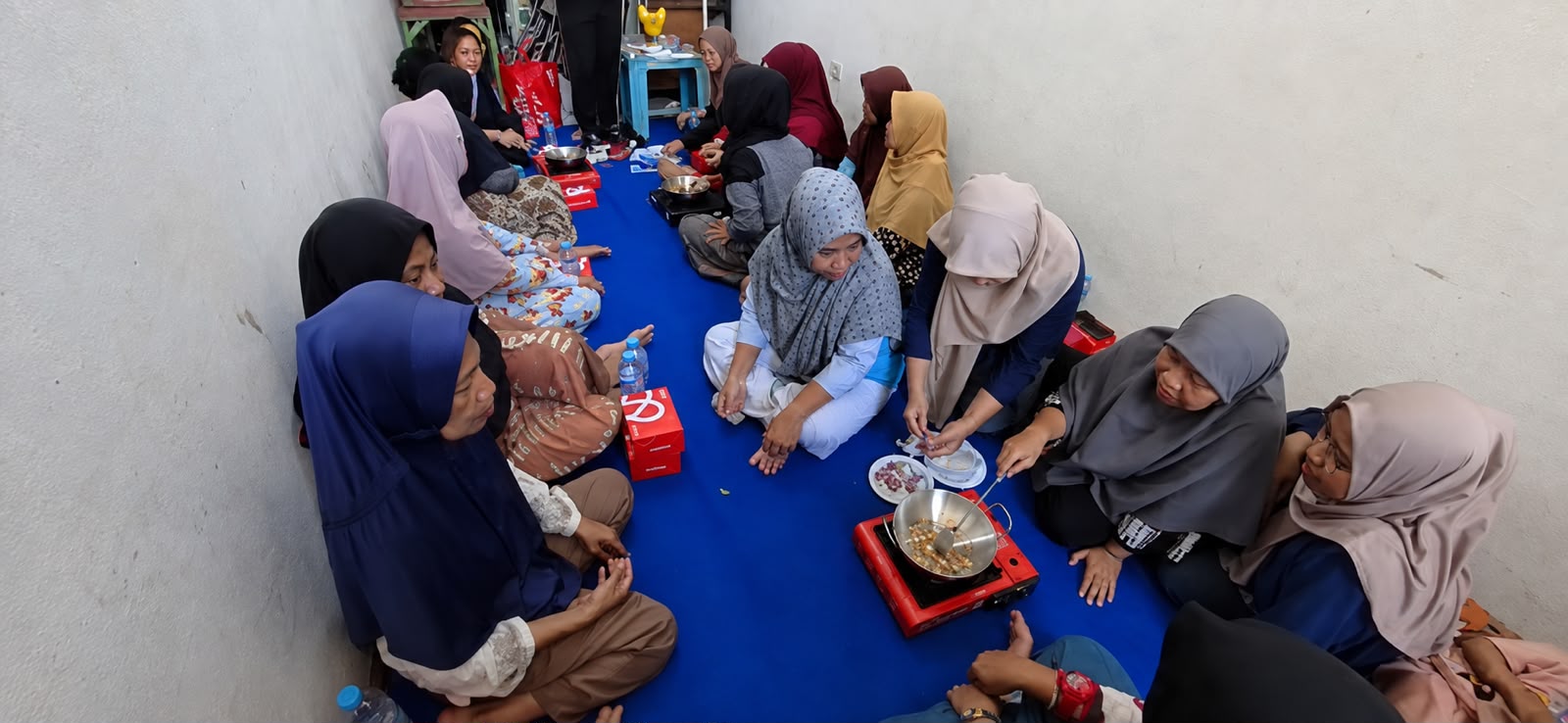
FIKKIA NEWS – 30 PKK mothers from Banyu Urip Village, Banyuwangi, participated in an education session on the wise use of monosodium glutamate (MSG). The activity took place through the Nusantara Action Program, a JAPFA Scholarship Awardee for the Nation 2026, on Tuesday (7/28/2026). The activity involved Putri Ajeng Aprisa (KH 23) and seven other students who are also JAPFA Scholarship Awardees for the Nation 2026. The education session also included a demonstration of making local food-based flavorings at residents' homes.
The program addresses issues relevant to local life, namely understanding MSG and utilizing local food ingredients. Participants not only receive material but also participate in practical training on processing shrimp, fish bones, and oyster mushrooms into flavoring powder.
Educate on the Wise Use of MSG
In the educational session, participants were encouraged to correct the assumption that MSG directly causes various diseases. According to the Joint FAO/WHO Expert Committee on Food Additives (JECFA) database, MSG has a categorical status. acceptable daily intake (ADI) "not". This status is granted when a safety assessment does not require setting a numerical daily limit. However, MSG use still needs to be proportionate, taking into account overall sodium intake.
The WHO recommends that adults consume less than 2.000 mg of sodium per day. This amount is equivalent to less than 5 grams of salt per day. The Food and Drug Authority (BPOM) also explains that there is no valid scientific evidence that MSG in normal food consumption causes organ damage. This education aims to foster habits of using food additives wisely.
Utilizing Local Food as a Flavoring
Following the educational session, participants participated in a demonstration on making a flavoring from shrimp, fish bones, and oyster mushrooms. This activity introduced the use of underutilized local food ingredients. The fish bones were first cleaned and steamed. All ingredients were then dried to reduce their moisture content. Once dry, the ingredients were ground into a powder.
The mixture is then cooked again until it turns brown. This process produces a flavoring agent with an umami flavor. This practice also provides an understanding of the importance of cleanliness of ingredients, equipment, processing, and storage. These aspects are essential to ensure the safety of the resulting food product.
Ajeng explained that the activities were deliberately packaged in an educational and practical manner. This approach allows the community to gain information and gain hands-on experience in processing food ingredients.
"We want to raise awareness that MSG isn't something to be overly concerned about, but its use should still be judicious. We also want to show that shrimp, fish bones, and oyster mushrooms can be used as flavorings through a simple process," said Ajeng.
According to him, utilizing fish bones is also part of efforts to reduce food waste. This material, often considered a processing waste, still has the potential to produce valuable products through proper processing.
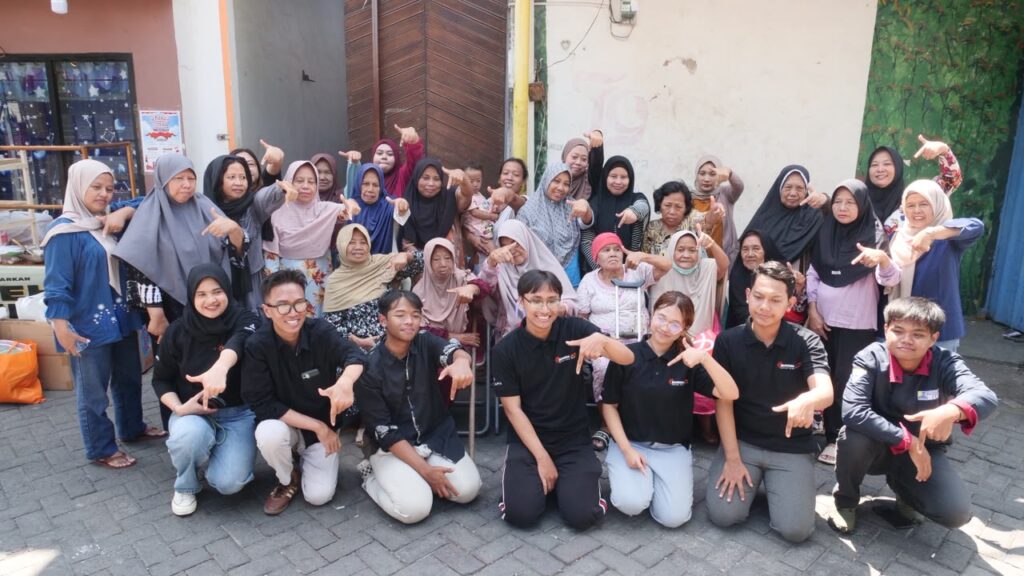
The Head of the PKK of Banyu Urip Village, Siti Nuhasanah, appreciated the activity because it was directly related to daily food processing activities.
"The material was very useful because it related to the food we make every day. We learned more about the wise use of MSG and saw firsthand how ingredients like shrimp, fish bones, and oyster mushrooms can be processed into flavorings," said Siti.
Through the Aksi Nusantara program, FIKKIA UNAIR students not only impart knowledge but also apply it with the community. This food safety education and innovative use of local ingredients are expected to encourage people to process food more wisely, safely, and effectively.
Author: Princess Ajeng Aprisa Simorangkir
Editor: Avicenna C. Nisa


