


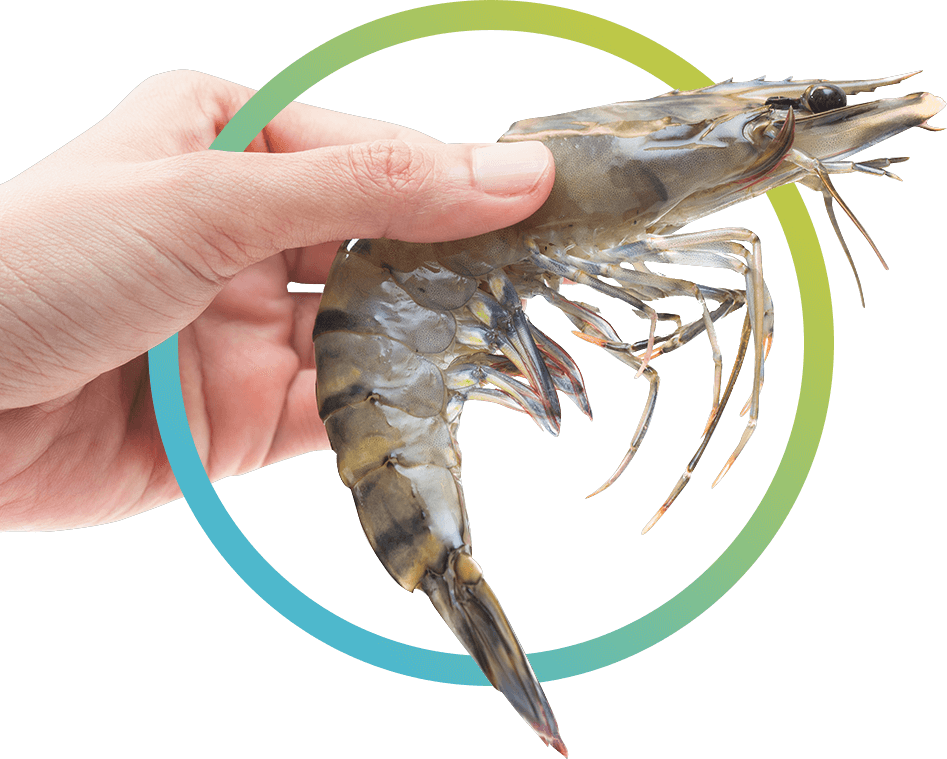
SIKIA NEWS – Fishery products are Indonesia's leading export center with a capitalization value that soars every year. Entering the global market requires the Indonesian fishing industry to implement food product safety standards so that they are accepted by foreign markets. Quality Control is the key to whether or not these fishery products pass to the market. Meng-Update how to implement quality control in the shrimp industry, Aquaculture Study Program School of Health and Life Sciences held a guest lecture to welcome the start of the odd semester 2023. This guest lecture is also a form of SIKIA's commitment to realizing SDGs 2, 8 and 12.
The guest lecture was attended by lecturers and 73 aquaculture students from the 2020 – 2023 class in Class A.102 at the Giri SIKIA Campus (29/08/2023). Learning becomes even more exciting when the guest lecturer is Edo Pranata Putra Panji, S.Pi. The 2014 Aquaculture Study Program alumni currently works at PT. Panca Mitra Multi Perdana, a leading shrimp processing and exporter company in Indonesia since 2004.
The activity began with a speech Mohammad Faizal Ulkhaq, S.Pi., M.Sc. as an accompanying lecturer for activities. Faizal expressed his pride at being able to invite SIKIA Aquaculture alumni as presenters at this activity.
"It is a matter of pride for us SIKIA aquaculture lecturers because we have produced someone who previously came to seek knowledge and can now share his knowledge, roughly 'from zero to hero'," he said.
Implementation of Quality Control for Fishery Products
Quality Control (QC) is an activity to ensure the resulting product reaches good quality and is safe. This activity aims to benchmark product quality and test it statistically. Examples of certifications required for a QC are GMP, HACCP, SSOP, ISO 22000/FSSC 22000/ BRC Global Standards.
Talking about standards, Edo explained that product quality control is important because it relates to competition with other products, price competition, consumer confidence in these products, and relates to food safety. As a quality control, he is responsible for ensuring the cleanliness of production facilities, recording and monitoring inspection results, goods outgoing letters, daily report and worker cleanliness.
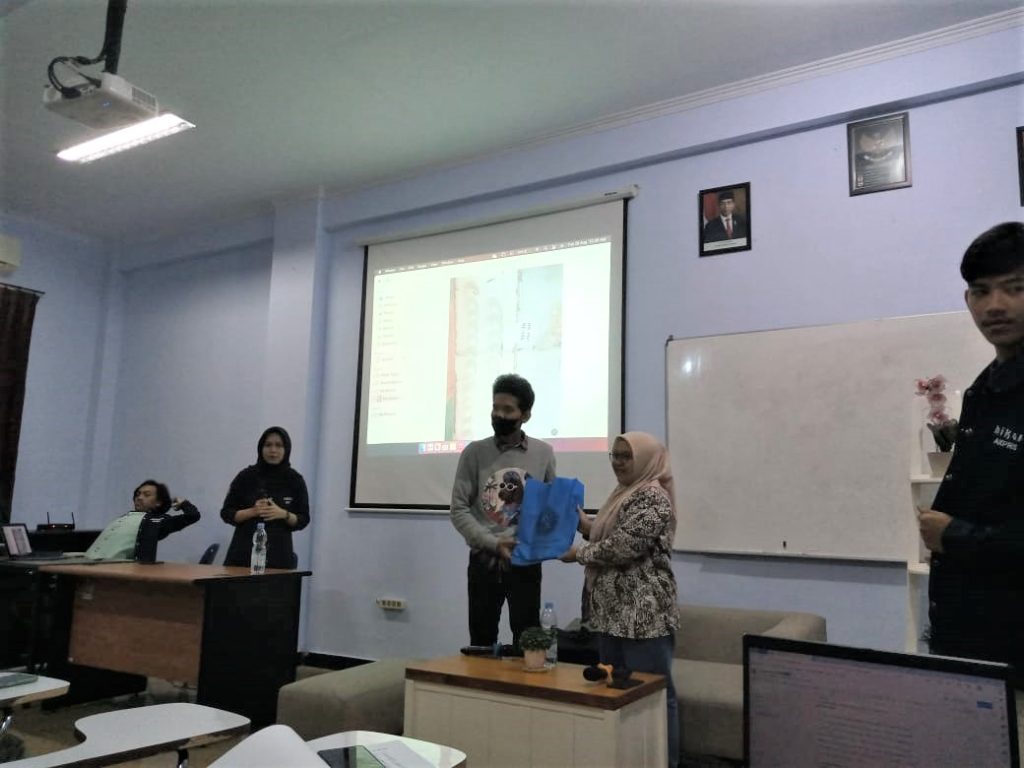
Edo said that the unloading of HO (head on) shrimp that entered PT. PMMP could reach tens or even hundreds of tons per day. The incoming shrimp will be inspected by all QC teams using the sampling method. In addition, shrimp that arrive before being processed will be tested for antibiotics, because these antibiotics are part of the CCP (critical control point). In the shrimp processing process, antibiotics will have an impact on consumers who consume them. Therefore, QC's job is to ensure that everything meets predetermined standards.
An interesting discussion came from Nurita class of 2022. He asked how the quality of the shrimp did not meet the standards. Edo Pranata replied that the shrimp would be diverted according to their needs and levels. Sometimes the shrimp cannot be allocated, the product will be detained and usually traded with local enthusiasts. The company has regulations for handling products that do not meet export qualifications. Towards the end of the session, the young man who is familiarly called Kak Edo added that he needed skills to become a QC.
It requires complex abilities such as problem solving, good communication, multitasking, critical thinking, careful, and have a high curiosity. Think critically because it is closely related to the results of the analysis of the product being controlled. A QC also needs to have good communication to convey arguments and results obtained to other parties, so that there are no misunderstandings and can be detrimental to the company. For example, when the production team asks why the product was not accepted, the QC team must be able to clearly communicate the reasons for rejecting the product.
Author: Leni May Ristin
Editor: Avicenna C. Nisa


