


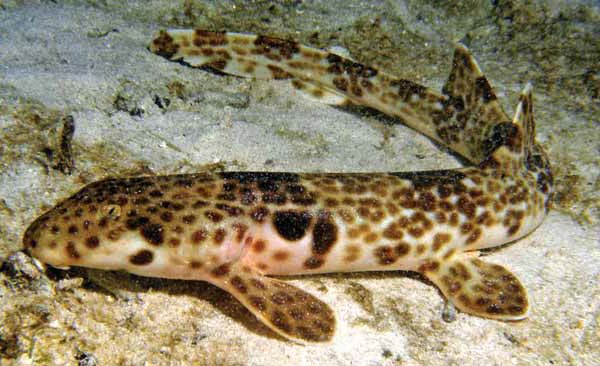
FIKKIA NEWS – The latest 14-month research conducted by Indonesian Conservation Together with the Ministry of Maritime Affairs and Fisheries (KKP), a new world record was recorded in the waters of Raja Ampat, Southwest Papua. Raja Ampat Walking Shark (Hemiscyllium freycineti) was found to have the highest population density ever recorded in the world for the genus Hemiscyllium.
Population Record in Sawinggrai Village
Based on the research data, the population density of walking sharks in the Sawinggrai Village area, Gam Island, reached up to 2.462 individuals per km²This figure proves that Raja Ampat's protected coastal ecosystem remains highly effective in maintaining healthy endemic animal populations.
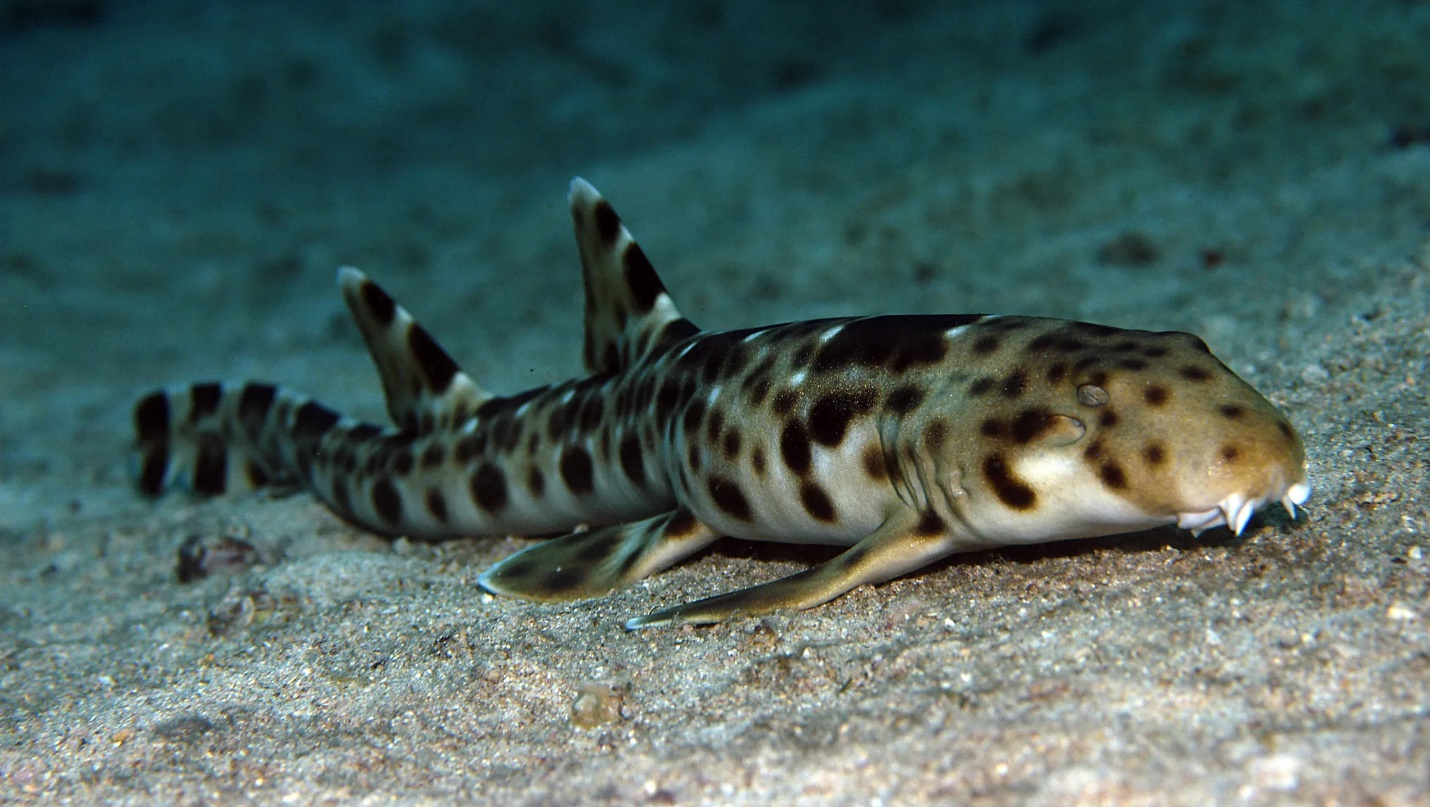
This research also revealed the unique behavior of walking sharks. As many as 69% of young sharks (juveniles) They are found growing and sheltering in coral reef areas. Meanwhile, adult sharks spend more time in seagrass meadows and sandy stretches foraging for food.
In addition, this species is known to be very loyal to its habitat (home range very limited). During the research period, the maximum movement of the walking shark was only about 475 metres, and not a single individual was found moving between islands.
Perspectives on Fish Genetics and Reproduction
In response to the record population density of walking sharks in Raja Ampat, Darmawan Setia Budi, S.Pi., M.Si., a fish genetics and reproduction expert from Airlangga University, offered his academic perspective. According to Darmawan, the abundance of the population in a limited area indicates the success of natural reproductive strategies and the abundant food supply in the ecosystem.

The FIKKIA Unair Aquaculture lecturer emphasized that from a genetic perspective, the walking shark's very loyal nature to its habitat and its inability to move between islands brings its own ecological vulnerabilities.
"Because sharks' movements are very limited and they don't move between islands, this geographic isolation is very vulnerable to triggering a decline in genetic variation if their primary habitat is damaged or disturbed," said Darmawan.
Darmawan further explained that observations of genetic and ecological structures show that coral reefs function as nursery ground (rearing areas) are critical for young sharks from predator threats, while seagrass meadows provide the main food support for adult sharks.
Therefore, the integrity of coral reefs, seagrass beds, and coastal areas in Raja Ampat is an absolute defense—not only to maintain its population record, but also to ensure the genetic sustainability of this endemic species, the pride of Indonesia.
Author: Farra Azzahrani
Editor: Avicenna C. Nisa


