


Recent research has shown that culture of mesenchymal stem cells (MSCs) under low oxygen or hypoxic conditions can significantly improve ovarian function in mice with ovarian failure due to malnutrition. These findings suggest that oxygen deprivation may be a key component in regenerative medicine for reproductive health, especially in conditions caused by chronic malnutrition.
Treatment of Experimental Animals
In this study, female rats were used as experimental animals to evaluate the effects of mesenchymal stem cells (MSCs) therapy on ovarian failure. These stem cells were isolated from bone marrow and cultured under two different oxygen conditions: group T1 was cultured under hypoxic conditions (1% oxygen), while group T2 was cultured under normoxia conditions (21% oxygen). After four days of culture, 200 million MSCs from each group were transplanted into female rats with ovarian failure. Each treatment group consisted of 15 rats.
For comparison, two control groups were included. The positive control group (C+), consisting of 15 fertile rats, and the negative control group (C−), consisting of 15 infertile rats without MSCs therapy. This study aimed to observe the ability of MSCs to repair ovarian tissue and reproductive function, by comparing the effects of cell culture under low oxygen (hypoxia) and normal (normoxia) conditions.
The Role of Hypoxic Conditions in Stem Cells
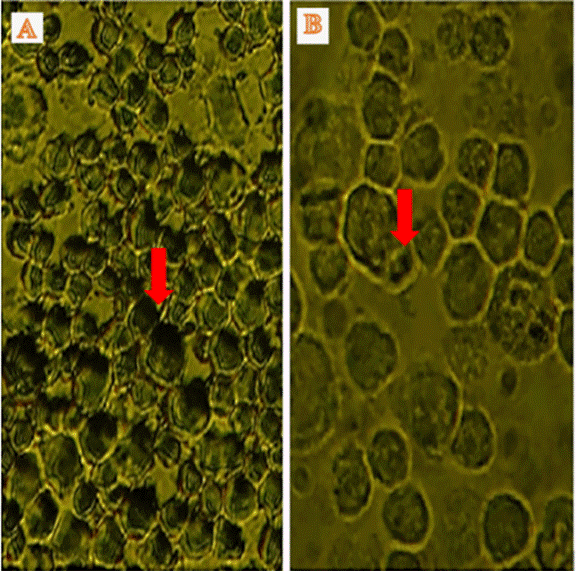
The low oxygen (hypoxic) conditions found in the natural stem cell microenvironment play a critical role in maintaining stem cell self-renewal, survival, and proliferation. In this study, researchers cultured MSCs in hypoxic conditions (1% oxygen) and observed significant changes in their behavior compared to cells cultured in normal oxygen conditions (21% oxygen). MSCs cultured in hypoxia showed larger cell size, slower proliferation rates, and lower levels of cell death. These results are consistent with previous studies showing that hypoxia can inhibit cell senescence, promoting stem cell survival and stability.
Reduction of Apoptosis in Stem Cells
One of the interesting findings in this study was the reduction in apoptosis (programmed cell death) in MSCs cultured under hypoxic conditions. Using real-time PCR and immunohistochemistry (IHC), researchers found increased expression of HSP27, a protein known to protect cells from stress, as well as decreased expression of caspase-3, a marker of apoptosis. These findings are important because they suggest that MSCs cultured under low-oxygen conditions are more resistant to apoptotic cell death, creating a favorable environment for stem cell therapy.
Application of Stem Cell Therapy in Mice with Ovarian Failure
The study also focused on the application of MSCs cultured under hypoxic conditions to improve ovarian health in mice with ovarian failure due to malnutrition. Researchers used MSCs cultured under low oxygen conditions and evaluated the therapeutic outcomes based on several parameters, including ovarian tissue regeneration, increased follicle development, and increased number of Graafian follicles, which are essential for female fertility.
The Role of Growth Factors in Ovarian Regeneration
In addition to HSP70 and caspase-3, the study also examined other markers such as VEGF-1 (vascular endothelial growth factor) and GDF-9 (growth differentiation factor 9). Both of these markers are important for cell viability and differentiation, and increased expression of these proteins under hypoxic conditions further supports the therapeutic potential of MSCs in ovarian regeneration. The results showed that MSCs cultured under low oxygen conditions can enhance ovarian tissue regeneration and support follicle development, which is essential for reproduction.
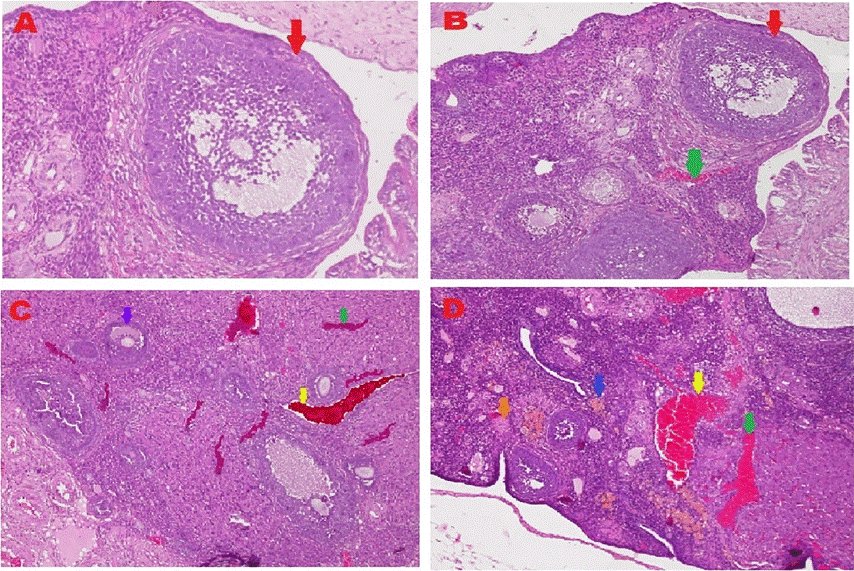
Furthermore, the study revealed that MSCs can help restore ovarian function by stimulating the production of important growth factors such as GDF-9, which plays a vital role in folliculogenesis and fertility. MSCs are known for their regenerative properties, and this study suggests that stem cell transplantation may be an effective therapeutic option for fertility problems caused by chronic malnutrition.Next Steps in Research
Potential Future Treatments
This study suggests that MSCs cultured under hypoxic conditions have the potential to be an innovative therapy for malnutrition-related ovarian failure. While this study demonstrates the therapeutic potential of MSCs cultured under low oxygen conditions, further studies through in vivo trials are needed to confirm these findings in real-world applications. The authors emphasize the importance of evaluating fertility outcomes, hormone levels, and estrous cycles in follow-up experiments to understand the full impact of stem cell therapy on ovarian regeneration. By enhancing markers of cell viability and differentiation, MSCs may offer a promising solution to restore reproductive health and fertility in affected individuals. Further studies and clinical trials will be essential to further explore this therapeutic approach and confirm its potential for treating fertility-related conditions in the future.
Author: Ryan Adi Taufiqurrahman
Read more Full article at Efficacy of mesenchymal stem cells cultured low oxygen tension ameliorates apoptotic inhibitors, viability, and differentiation of ovarian tissue: A study in a rat model with ovarian failure


