


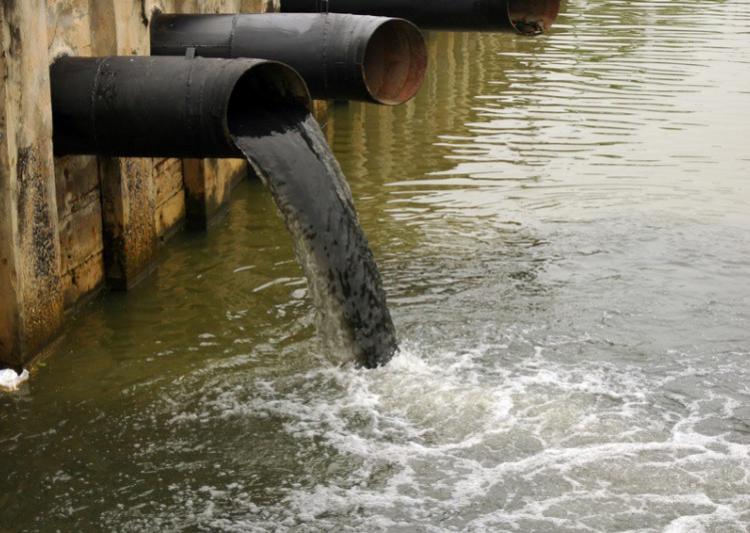
River is a freshwater flow that originates from upstream and flows to an estuary surrounded by river boundaries. Rivers also have an important role for the aquatic biota that live in them. Fish that will be domesticated and crustaceans that live in river substrates. Due to its high use as a home for living creatures, the chemical content worsens the water quality in rivers. Heavy metal drum which are thrown away haphazardly by industry in urban areas.

Lead (Pb) or also known as black lead is a soft, shiny, blue-gray heavy metal, with an oxidation state of +2. Lead (Pb) This is waste from several industries such as batteries and ammunition, paint components, tetraethyl lead production, radiation protection, pipe coatings, cable sheaths, ceramic glasses, electronic products and pipes or containers. Lead (Pb) also has a low melting point. It is easy to shape and has active chemical properties. Therefore, it is usually used to coat metal to prevent it from rusting.
Lead (Pb) pollution is chronic poison and decomposes over a long period of time, causing dangerous effects on aquatic biota. The entry of lead (Pb) into the ecosystem can be a source of pollution and have an impact on aquatic biota, especially killing juvenile fish because of its high toxicity (Darmono, 2001).
Destruction of River Naturalization
River areas are often contaminated with heavy metals through industrial waste. From a toxicological perspective, heavy metals are classified into two types. The first type is essential heavy metals, the presence of which is required in certain quantities for living organisms. However, if it is excessive, it is still toxic. The second type is non-essential or toxic heavy metals, which are toxic. In this case, it is very important to find a solution to absorb the poison in river water, because lead is the heaviest non-essential species.
Major Effects of Lead on River Biota
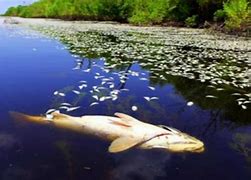
The impact caused by lead metal, even in small amounts, can damage the physiological functions and metabolic structures of organisms exposed to lead metal (Muslih et al., 2016). An increase in the concentration of dangerous pollutants can be poison which interferes with the survival of exposed organisms. At certain concentrations it can cause animal death. Metal lead (Pb) enters the organism's body by diffusion through the food chain, gills and skin surface.
Source: harijogja.com
Fish toxins are absorbed and deposited in tissues (bioaccumulation). Concentrated toxins in the body can cause organ and tissue damage. Lead (Pb) poisoning in aquatic organisms can cause damage to organism tissues, especially fish organs such as gills and intestines, as well as internal tissues such as liver and kidneys, where the metal accumulates (Tasykal, 2015).
Phytoremediation as a Lead Metal Solution
Efforts to restore environmental damage caused by lead waste include physical, chemical and biological ones. Biological treatment refers to the use of phytoremediation processes. Phytoremediation is a system where certain plants can work together with microorganisms in a medium to convert harmful substances into substances that are safe for the environment (Baroroh and Irawanto, 2016). One of the plants that can be used for phytoremediation The waters affected by lead metal pollution are aquatic plants, namely water bamboo. This water bamboo lives in rivers and grows its roots along the river banks. This type of plant can be grown in water without requiring a planting medium, so it can be used to reduce lead (Pb) in water well (Suharto et al., 2011).
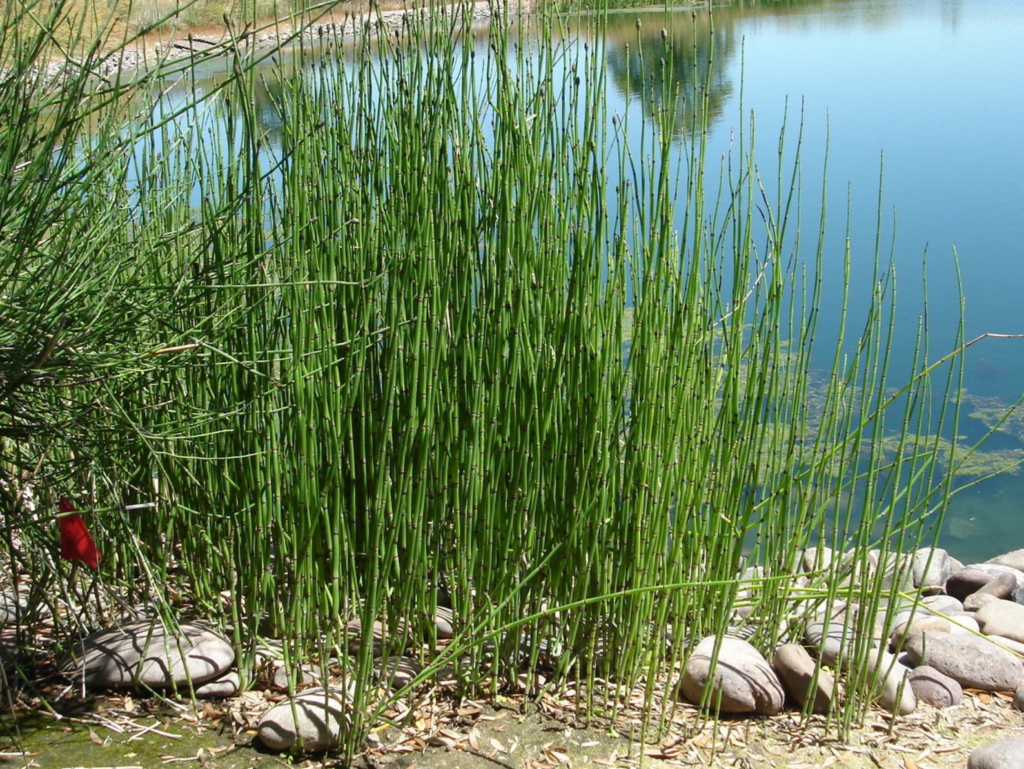
The use of water bamboo has been proven through research by Permadi (2019), water bamboo (Equisetum hyemale) was tested on river water containing lead metal and was proven successful in reducing this toxic substance. Plants are said to absorb water-soluble metals through their roots. Plants change the pH in their roots and produce chelating substances called phytosiderophore. The phytosiderophores formed bind metals and transport them to root cells via active transport.
After the metal enters the roots, the metal is transported to other parts of the plant, namely the stem, through the xylem and phloem transport tissue. To prevent cellular metal poisoning, plants have a detoxification mechanism by storing metals in their stem organs, especially scleral tissue. One of the functions of sclera tissue is to protect plant activities from environmental influences. The mechanism of scleral tissue is that pollutants absorbed by the roots are absorbed and accumulated in the scleral tissue, and because this tissue contains silicates, the pollutants are transferred to other parts of the plant.
Safe Levels of Lead Contained in Fish
Even though lead is a dangerous toxin in waters and kills biota, there are concentrations of lead that are classified as safe. Based on Quality Standards for Toxic Waste Characteristics in Government Regulation Number 22 of 2021 concerning Implementation of Environmental Protection and Management, maximum levels of lead (Pb) permitted in the water environment is: <0,5 mg/L. This standard is a reference that at certain concentrations and very small amounts of water is still considered safe for aquatic biota in rivers. Fish are creatures that are sensitive to heavy metal pollution so they can be used as indicators of water pollution. The characteristics of fish affected by lead poisoning include abnormal movements, increased respiratory activity, loss of balance, damage to the respiratory tract.
Phytoremediation Efforts from the Government and Related Parties
Currently implementing phytoremediation is still being developed and initiated in several regions of Indonesia. Tangerang, Surabaya and big cities are concentrations of industrial waste. Encouraging this innovation requires the attention and cooperation of various stakeholders, including the government, waste producing entrepreneurs, especially those who contribute to environmental pollution, and all levels of society. There is still a need for collaborative research with the private sector, especially with parties who pollute the environment and local governments. The implementation of laws relating to pollution and environmental management must be enforced. Sanctions and punishments for violators must also be implemented, so that industry consciously takes responsibility for its waste.
Author: Dhea Puspita Hakim (FIKKIA Aquaculture Student)
Editor: Avicena, C. Nisa


