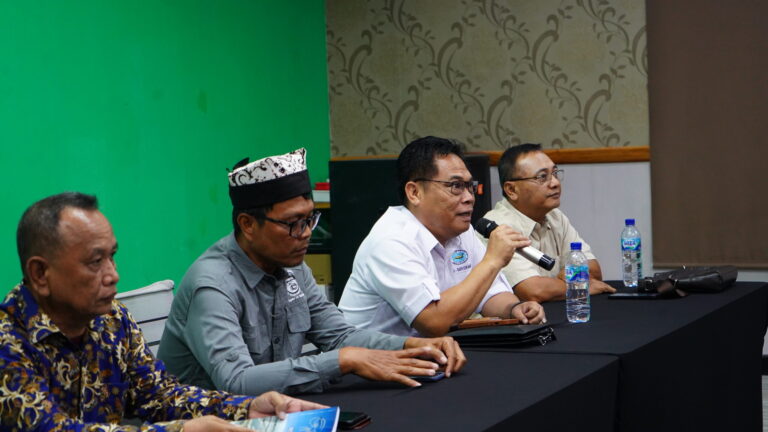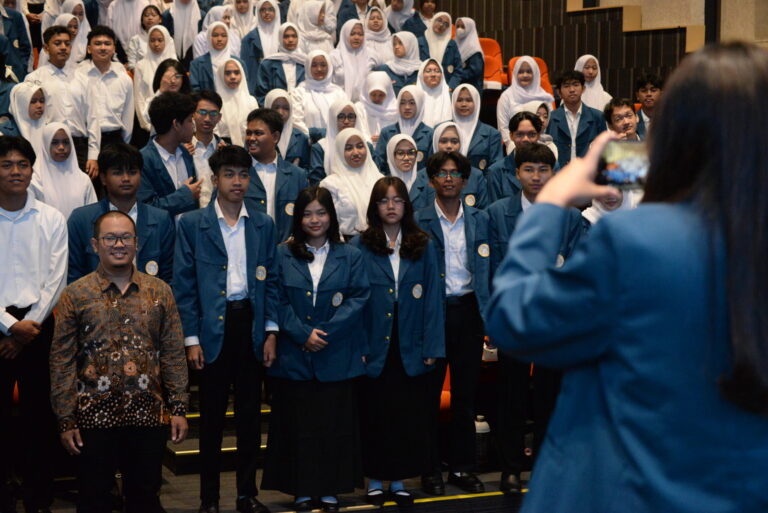
FIKKIA NEWS – Group 1 Students Wave III of Veterinary Professional Education (PPDH) Faculty of Health, Medicine and Natural Sciences (FIKKIA) Airlangga University (UNAIR) Banyuwangi participated in a successful early childhood education program about the world of veterinary medicine. The students participated in two early childhood education-oriented activities with the Airlangga University Animal Hospital (RSH): an education on fish anatomy for elementary school children and an introduction to the veterinary profession for kindergarten-aged children.
Education About Fish
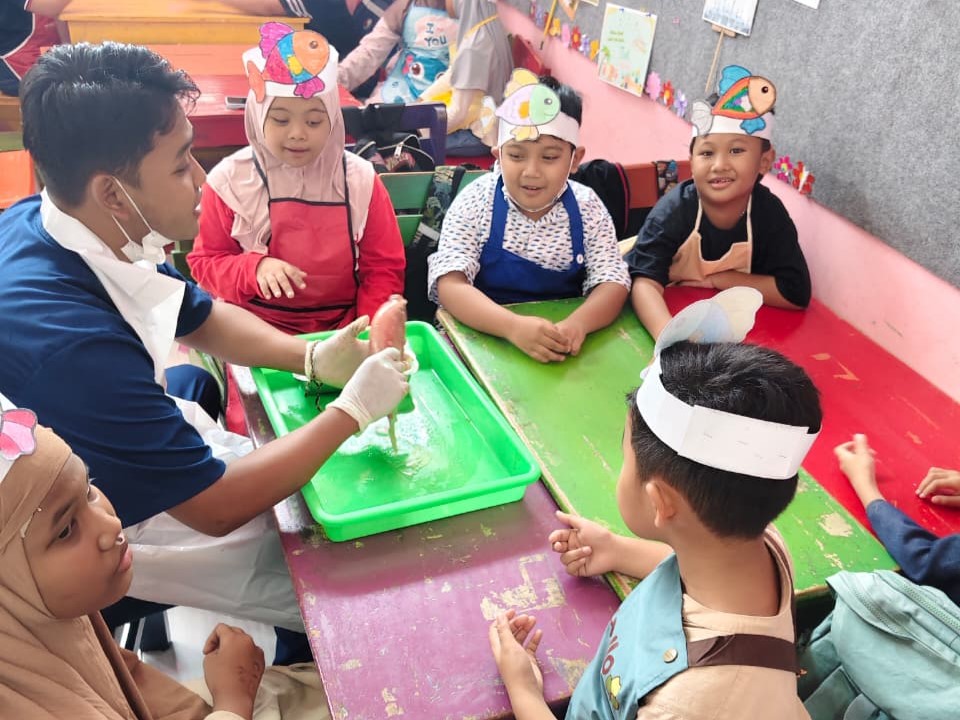
As future veterinarians, PPDH FIKKIA UNAIR students shared their knowledge about anatomy with second-grade students of Muhammadiyah 16 Elementary School, Surabaya. The activity took place on Thursday, April 16, 2026. The students involved were Muhammad Rofiq Riastianto, Alif Rifqi Firmansyah, Earlen Fransia, and Bunga chandella, with the main mentoring from the RSH UNAIR team, namely drh. Simeon (veterinarian at RSH UNAIR) and Sri Wahyuni (Veterinary Paramedic at RSH UNAIR).
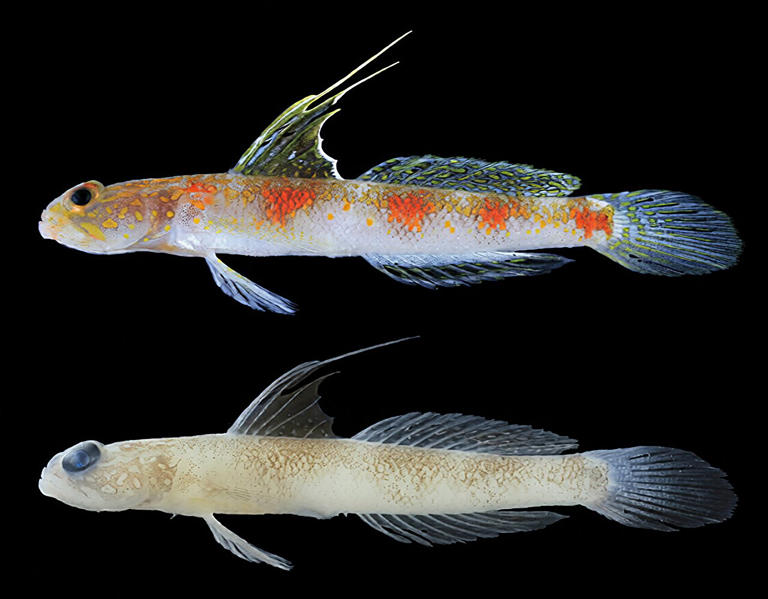
They encouraged students to learn more about fish anatomy and tips for proper fish care. The students, along with PPDH FIKKIA students and the UNAIR RSH team, performed dissections or necropsies at each table in groups. The dissections revealed the various organs that make up the fish's body, each with its own divinely ordained function. This allowed them to better understand the bodies of the fish they commonly keep and consume.
Introduction to the Veterinary Profession
During their activities at RSH UNAIR, students from Group 1, Wave III of FIKKIA UNAIR also had the opportunity to take Cordova Kindergarten students in Surabaya on a tour of the animal health service. The event, held on Wednesday, April 22, 2026, was a collaboration between RSH UNAIR and the Indonesian Veterinarians' Wives Association (PIDHI) East Java 1.

There was an explanation of the world of the veterinary profession, which could become a dream career for children. Unlike human doctors, veterinarians must deal with the complexities of different species. They also got to interact with rabbits, such as seeing, petting, and feeding them. Finally, the children were taken on a tour of the RSH, with each class moving in sequence like a train. They also greeted various animals receiving treatment at RSH UNAIR, starting from the third floor, then the second floor, and then heading up to the first floor to see the animal ambulance.
Author: Azhar Burhanuddin
Editor: Avicenna C. Nisa