


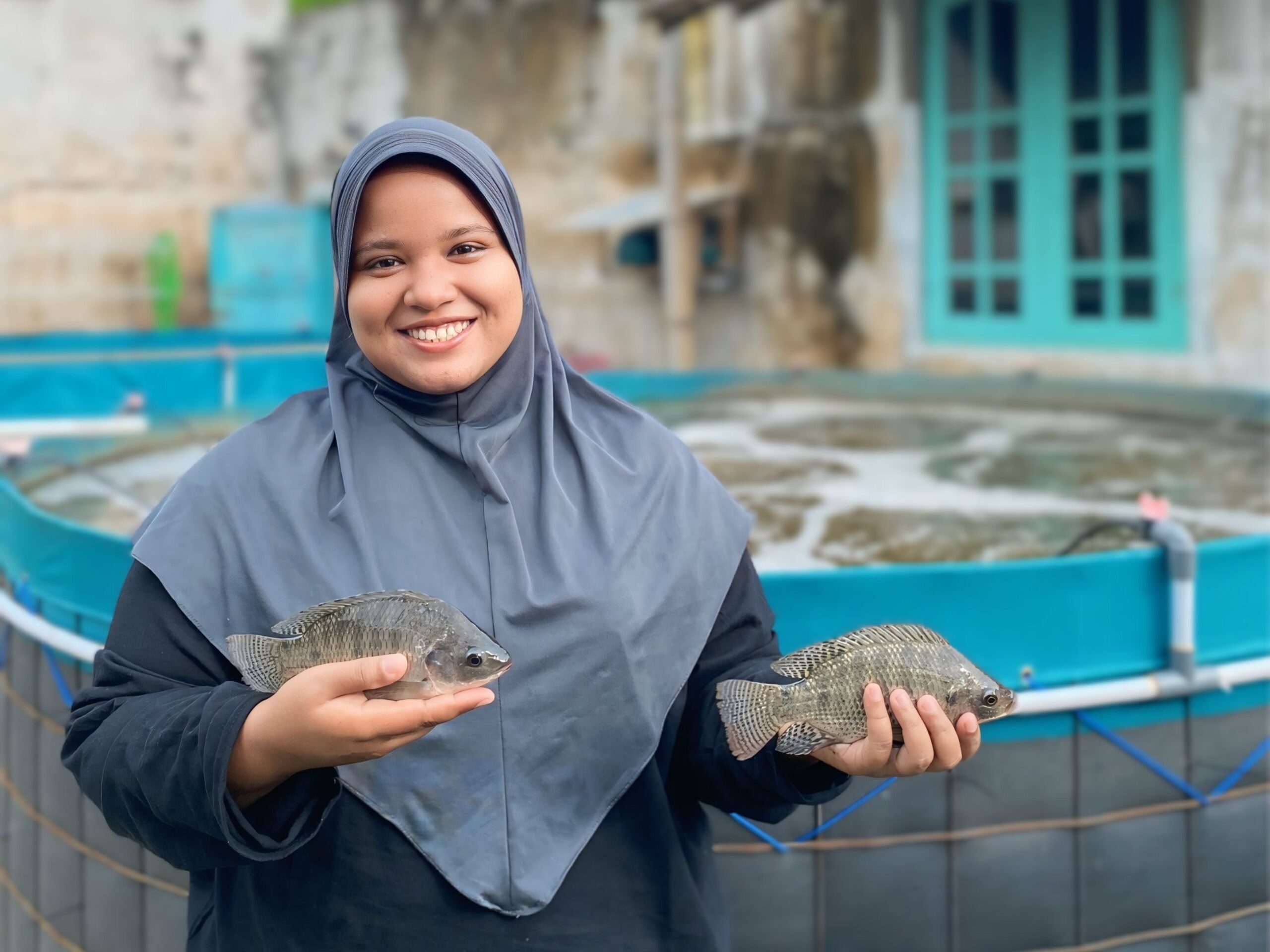
FIKKIA NEWS – Airlangga University (UNAIR) annually presents outstanding alumni from various fields of science. Fakhriyyah is one of them. She is a graduate of the Aquaculture S-1, Faculty of Health Sciences, Medicine and Natural Sciences (FIKKIA) class of 2019. Fakhriyyah's active role during her time as a student made her a person who dared to take the risk of establishing a tilapia fish farming business, namely iTawar.
The establishment iTawar started from a yard that was transformed into a pond for cultivating tilapia. With the support of the family to become an entrepreneur, Fakhriyyah was challenged to present tilapia products that do not smell of soil, have thick meat and an environmentally friendly cultivation system. For readers who want fresh tilapia from a cultivation pond, just DM at @itawar.id
The establishment iTawar
iTawar was established in 2023 after completing a Bachelor's degree in Fisheries. Fish farming using the RAS and Biofloc systems is still rarely applied by farmers. Where this system is much more efficient and environmentally friendly. Since his college days, the Banyuwangi youth has been interested in cultivation activities. Thus, the knowledge gained during college is implemented in entrepreneurial activities. iTawar focuses on the cultivation of Kekar Tilapia fish.
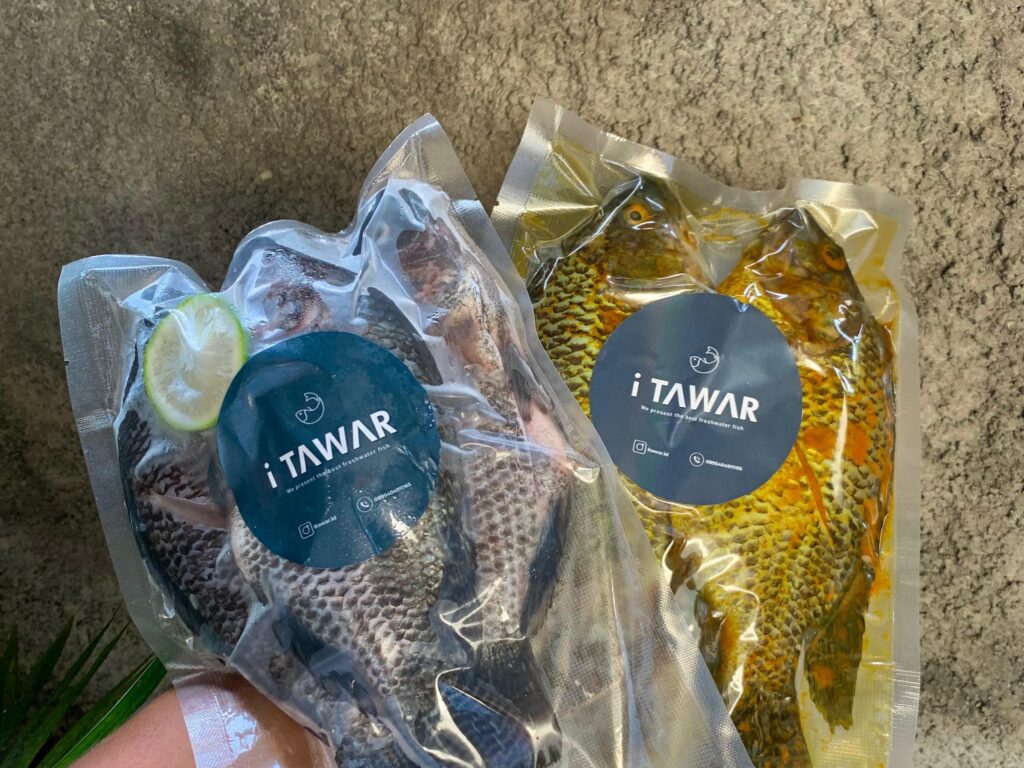
Not only selling fresh fish, iTawar has been present in the form of frozen marinated fish ready to cook. He plans to make other processed innovations. Currently the distribution of tilapia sales iTawar has reached the Banyuwangi market, to other areas such as Bali and Jakarta.
Combination of RAS and Biofloc System
Currently iTawar using the RAS and Biofloc cultivation systems. There are 5 ponds with a stocking density of 1000 fish. The RAS system (Recirculating Aquaculture System) is a fish farming system where the water in the pond is recirculated. This process makes fish waste, food waste, side effects of cultivation activities collected in sedimentation and filtration tanks. After going through these stages, the water returns to the pond.
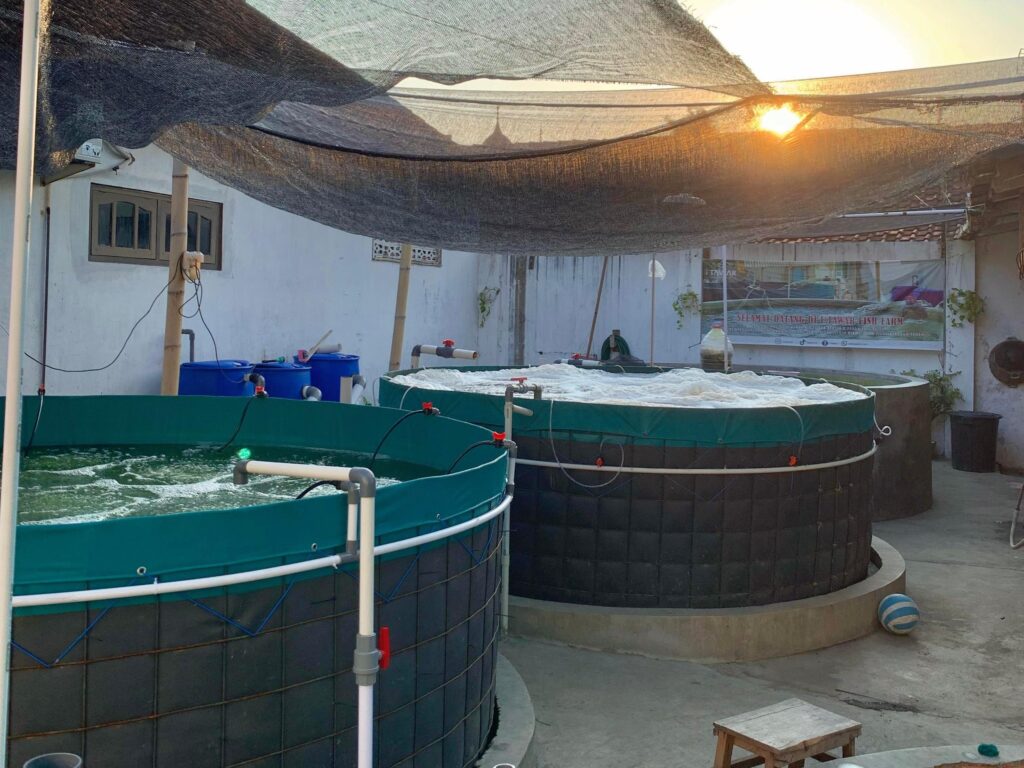
"Fish farming using the RAS and Biofloc systems is more efficient. The main key to this system is maintaining water quality according to cultivation needs. The waste also does not pollute the surrounding environment," said Fakhriyyah.
Challenges of Cultivating Sturdy Tilapia
The obstacles experienced by Fakhriyyah during her time as a cultivator include the lack of quality seed procurement in Banyuwangi. Until now, she has obtained seeds from Pasuruan cultivators. Long journeys often cause stress and even death to fish. In addition, the price of feed is relatively expensive, so the biofloc system greatly supports the availability of natural fish food.
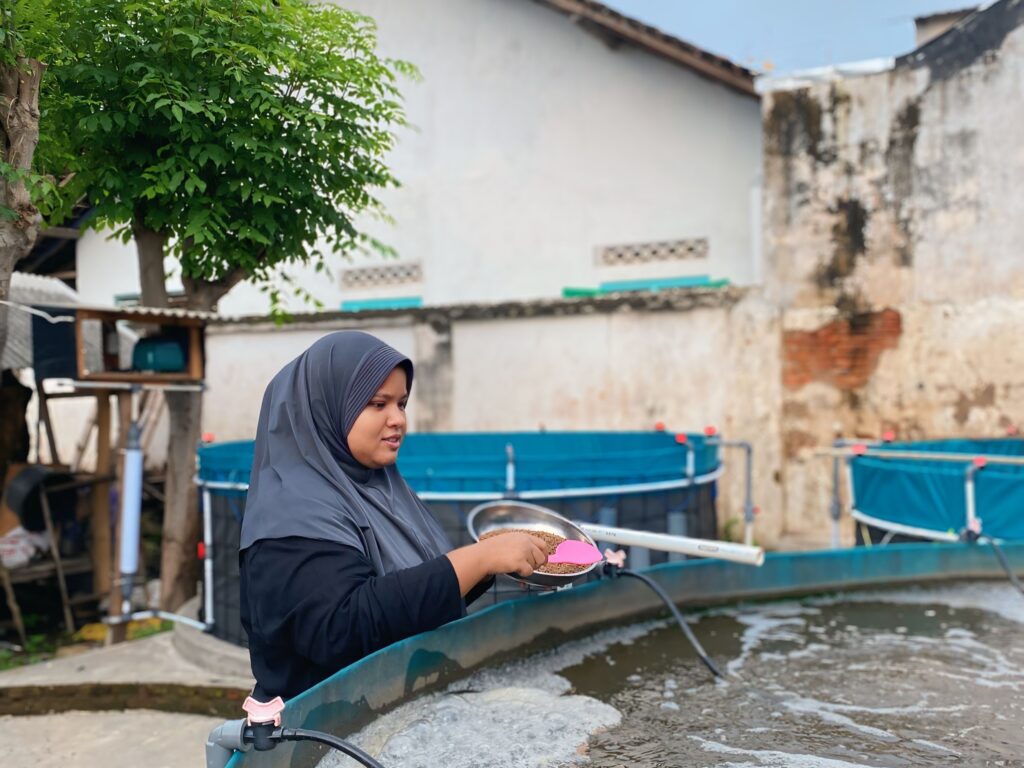
"To keep the selling price of tilapia competitive, I sell directly to consumers. So fish lovers can get fresh fish directly without worrying about having to buy large quantities," he said.
Fakhriyyah's message for all aquaculture students is to never be afraid to try new things. According to her, the Aquaculture Study Program has bright future opportunities and broad career opportunities.
"If we focus and are consistent, especially with a combination of modern technology and a spirit of sustainability, the chances of success are very big! So keep up the spirit, friends." Fakhriyyah concluded.
The activities in this article are the application of SDGs values. point 12 Responsible consumption and production and the 16th Life Below Water.
Author: Farah Novita
Editor: Avicenna C. Nisa


