


Sangkuriang Catfish (Clarias sp.) is a type of freshwater catfish that is easy to cultivate. According to Rakhfid et al (2020), this fish is classified as having a high adaptability in ponds with hot temperatures and DO levels (Dissolved Oxygen) The low one. In addition, this fish is not concerned with the palatability of the feed given, so it does not make it difficult for farmers. This reason makes the Sangkuriang catfish the best option for freshwater farmers.
However, this cannot be separated from the problem of parasites or harmful bacteria which have always been a frightening specter for farmers, one of which is the Aeromonas bacterium or with the Latin name Aeromonas hydrophila as the mastermind of disease Motile Aeromonas Septicemia. According to Prayitno (2014), MAS disease causes clinical symptoms such as:
- Damaged fins accompanied by red spots due to bleeding will make it difficult for the fish to swim or not be motile, so the fish will tend to be inactive and have difficulty reaching for food.
- There are wounds on the surface of the fish's body and will bleed when they are severe
- Bleeding on the gills
- Enlarged abdomen filled with fluid buildup (oedema)
- Fish scales begin to fall off one by one
- If surgery is performed, histopathological damage will be seen in the tissues that make up the liver, kidney and spleen
Aeromonas hydrophila is a gram-negative bacterium that is opportunistic and can cause fish death in a very short time up to 80-100% (Muslikha et al, 2016). This bacterium is detrimental to all freshwater biota with a supportive environment, such as; too high density, low nutrient intake and low dissolved oxygen content (Anggraini et al, 2016). Most of the fish infected with this bacterium will experience pathological symptoms such as hemorrhage, namely blood coming out of the vascular cavity due to its high pathogenicity. , 2015).
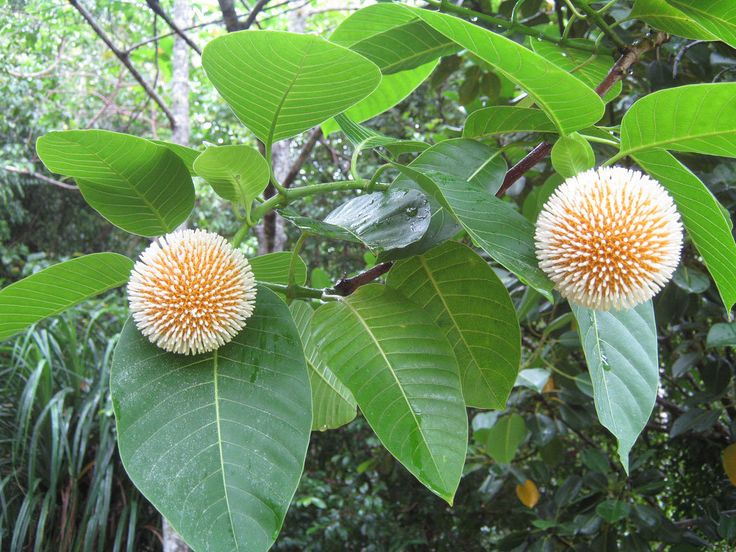
Based on research from Aisiah et al (2015), one safe way to treat fish affected by Aeromonas bacteria is to use bangkal leaf extract (Nauclea orientalisi) as feed or oral treatment technique in infected fish. Utilizing medicinal plants has proven to be very effective in preventing and curing disease. Bioactive substances contained in bangkal plants such as anthraquinone are useful as anti-bacterial and anti-fungal to antioxidants, especially against Aeromonas pathogens. The technique of administering herbal medicines orally is considered quite effective because it will not hurt the fish and the absence of chemical substances in the drug content.
The catfish farmers assessed that the oral administration of the drug administered to the rearing of the Sangkuriang catfish infected with Aeromonas had a significant impact on increasing the hematocrit significantly from day to day. This increase in the hematocrit value indicates the health status of the fish has also increased.
By utilizing the content of natural active substances (natural antibiotics) in herbal ingredients it is expected to be able to replace the function of synthetic antibiotics but not leave residues which have implications for reducing the sustainability of fish farming activities in general. Concluded that the use of bangkal leaf extract is effective enough to treat Sangkuriang Catfish infected with Aeromonas, while reducing the use of chemical drugs in fish which can damage their tissues over time.
Author: Dhea Puspita Hakim (SIKIA Aquaculture Undergraduate Student)
Editor: Acn
Bibliography
- Aisiah, S., Zain, MA, & Rahmawati, H. 2015. Increasing the Use Value of Bangkal Leaves (Nauclea orientalis) on the Health of Sangkuriang Catfish (Clarias sp). in Proceedings of the National Seminar on Indonesian Aquaculture Society 2013.
- Anggraini, R., Aliza, D., & Mellisa, S. 2016. Identification of Aeromonas hydrophila bacteria by microbiological tests on African catfish (Clarias gariepinus) cultivated in Baitussalam District, Aceh Besar District (Doctoral dissertation, Syiah Kuala University).
- Muslikha, M., Pujiyanto, S., Jannah, SN, & Novita, H. 2016. Isolation, Characterization of Aeromonas hydrophila and Detection of Genes Causing Motile Aeromonas Septicemia (MAS) with 16S rRNA and Aerolysin in Catfish (Clarias sp.) . Biology Academic Journal, 5(4): 1-7.
- Prayitno, SB 2014. Pathogenicity of Aeromonas hydrophila isolated from Dumbo catfish (Clarias gariepinus) originating from Boyolali. Journal of aquaculture management and technology, 3(2): 11-17.


