


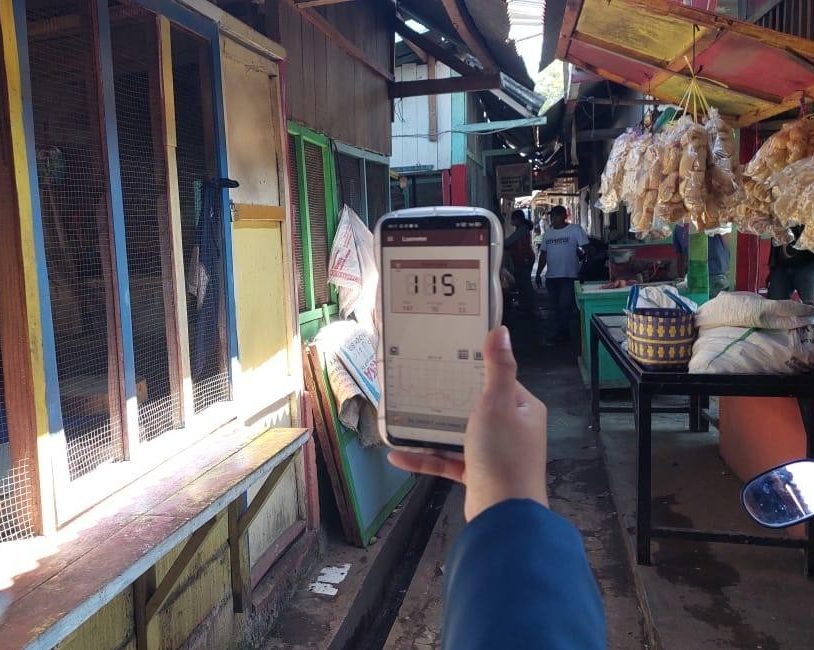
The proliferation of modern retail markets that offer a myriad of conveniences has not diminished the existence of traditional markets in the hearts of the Indonesian population. Traditional markets are still the people's favorite in meeting their daily needs. Its presence, which has been around for a long time, seems to bind market customers and traders in it not to turn to other shopping centers. The month of Ramadan is a moment when market customers will increase more than usual months. The presence of traders who offer fresh and quality products at affordable prices is a factor in the hectic market. Consumption of fresh and processed foodstuffs increases during the month of Ramadan until Eid arrives, making traditional markets increasingly crowded with various people to shop.
Even though they have become an important part of the lifeblood of the economy and everyday life, traditional markets still have many environmental problems, especially those related to market buildings, market sanitation, and Clean and Healthy Behavior (PHBS). If talking about comfort, cleanliness and safety Traditional market shopping will be very different from modern retail.
Based on PERMENKES No. 17 of 2020 Concerning Healthy Markets, Healthy Markets are people's market conditions that are clean, safe, comfortable and healthy through fulfillment Environmental Health Quality Standards, Health Requirements, as well as supporting facilities and infrastructure by prioritizing the independence of the market community. Through the Minister of Health, guidelines and sanitation management for a healthy market environment include market buildings, market sanitation, and PHBS.
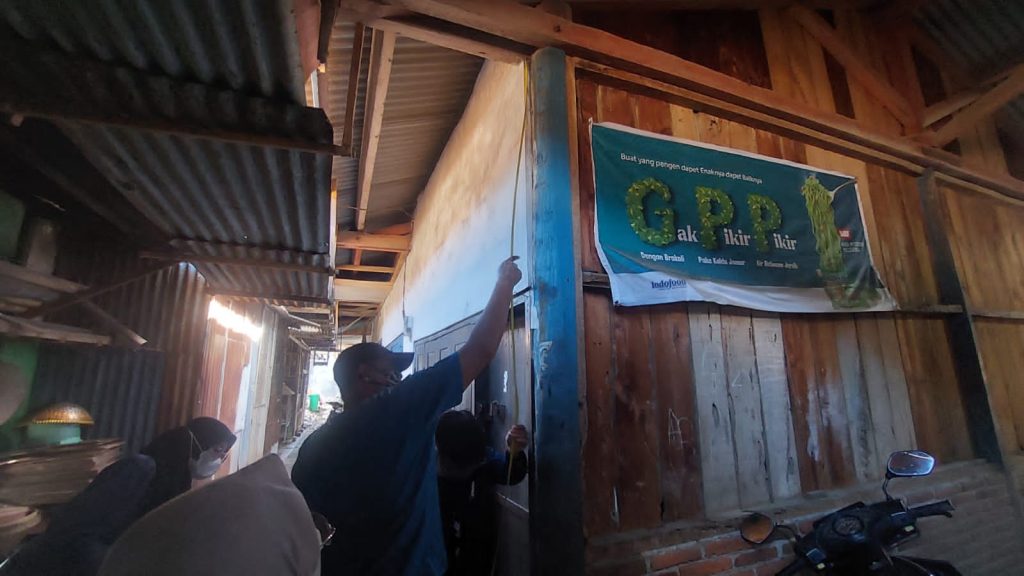
As a student Public Health Study Program, the author and colleagues conducted an environmental analysis in one of the long-existing and bustling traditional markets in Banyuwangi. Environmental analysis uses PERMENKES guidelines No 17 of 2020 Concerning Healthy Markets.
The influence of market buildings on environmental quality in traditional markets. A good market building will provide comfort and security for visitors. However, in reality there are still many traditional market buildings in Indonesia that are poorly maintained and do not meet safety standards. This can have a negative impact on the comfort and safety of market visitors. In addition, the condition of buildings that are not proper can affect the image of traditional markets as a safe and comfortable place to shop.
Based on market building analysis, there are 33% indicator which is not fulfilled. This is because there is no division of areas/zoning according to the type of commodity goods according to their nature and classification. The sales area is not yet free from disease-carrying animals, as well as the manager's office space and parking area that are not neatly arranged. Overall building in the market enough, because in terms of the roof already using asbestos and tiles so there is no stagnant water. In addition, the market building is in accordance with applicable regulations.
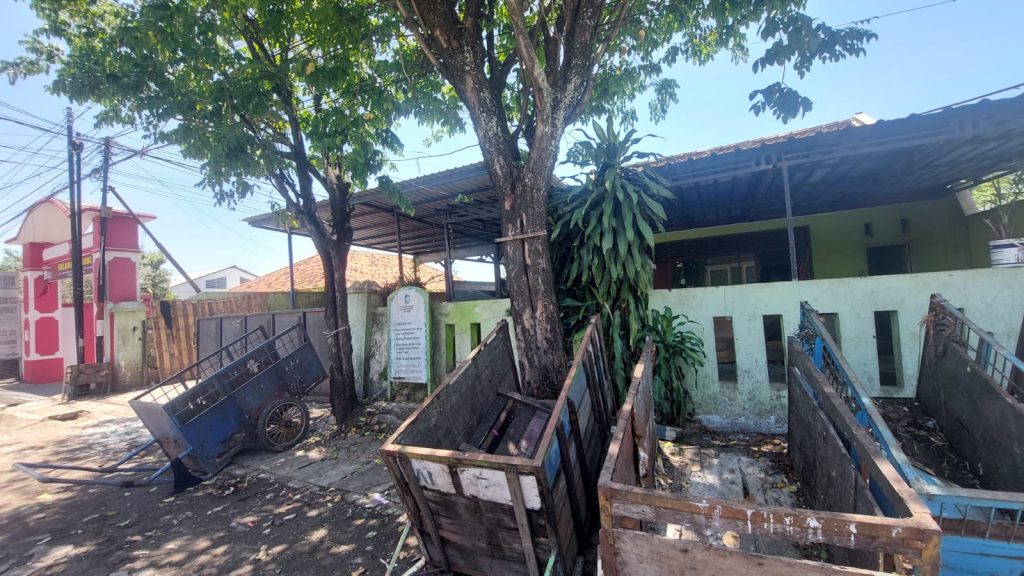
The effect of sanitation on environmental quality in traditional markets. Poor sanitation leads to the spread of disease and contamination of the food sold. This results in public health being disrupted and has a negative impact on the image of traditional markets as a healthy shopping place. In terms of sanitation, there are 32% indicator which is not fulfilled because the toilets are not separated between men and women. There are no handwashing stations equipped with soap, and water needs do not meet the required criteria. Therefore, efforts are needed to improve market sanitation by dividing toilets for men and women and meeting daily water needs according to needs.
Based on the results of the overall analysis, sanitation in the market is classified as good. The market manager provides adequate sanitation facilities such as trash bins, closed drains and other hygiene facilities. In addition, market managers have taken steps to ensure market cleanliness, such as arranging cleaning schedules, placing sufficient trash cans, and maintaining market cleanliness. Market sanitation is important in improving environmental quality in traditional markets. In addition to helping maintain the health of visitors, good sanitation improves the comfort and image of traditional markets. Traditional markets are often seen as dirty and dirty places, so some people prefer to shop at supermarkets which are cleaner and more orderly. However, by improving sanitation in traditional markets, this stigma can be changed. People will see traditional markets as clean and comfortable places to shop.
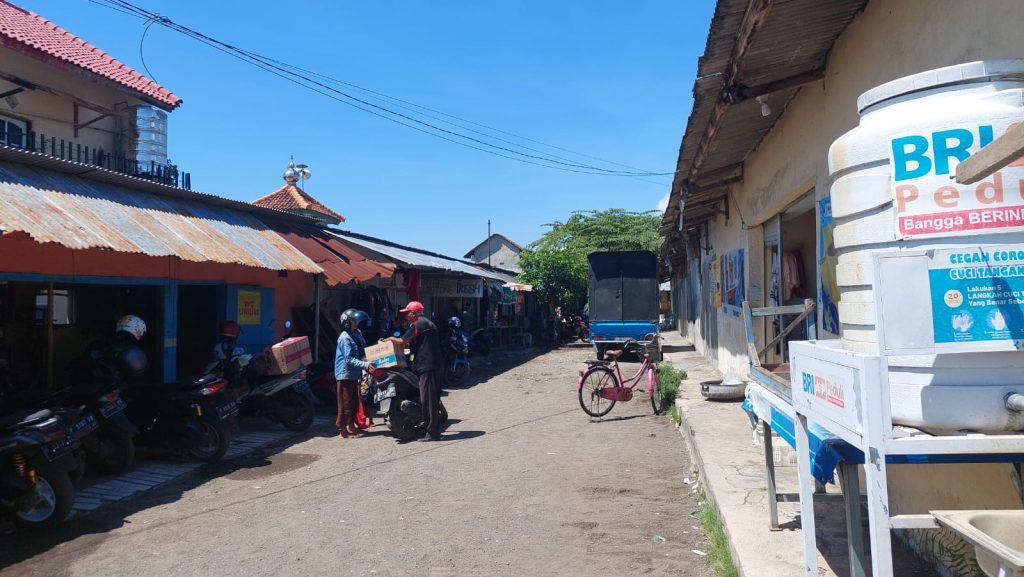
Implementation of PHBS and traditional market environment. Implementation of Clean and Healthy Living Behaviors such as washing hands with soap after shopping, maintaining the cleanliness of the market environment, and using masks when in the market. From the results of the analysis conducted by the author, there are 33% of the instrument indicators that are not fulfilled. This is because traders do not use Personal Protective Equipment (PPE) and visitors who do not apply PHBS.
Therefore, it is necessary to have strict regulations regarding sellers and visitors regarding the implementation of PHBS with sellers using PPE and visitors implementing hand washing after handling materials at the market. Socialization and education needs to be carried out to traders and market visitors about the importance of implementing PHBS in traditional markets. Overall the implementation of PHBS in these markets has been good, traders in these traditional markets have clean and healthy behavior. This is shown by the traders throwing trash in its place, cleaning the sales area and wet trash bins after each sale.
Handwashing with soap (CTPS) behavior has been well implemented, traders and visitors do not spit carelessly when selling. Traditional market managers also take part in training/courses in the field of sanitation and hygiene food and food. In the future, the management together with the Banyuwangi Health Service will carry out activities screening methods foodstuffs that are sold in the market, usually carried out near the Eid al-Fitr.
Overall, the traditional market in Banyuwangi gained a total score 70,5% which mean, already meet the requirements and belong to a healthy market in accordance with Permenkes No 17 of 2020. By paying attention to these three aspects, the quality of the environment in traditional markets can improve and people who visit these markets can avoid disease. Therefore, the Government of Banyuwangi Regency and the community must play an active role in maintaining and improving the quality of the environment in traditional markets by continuing to make improvements and applying established standards, to create a better and healthier traditional market environment.
The Government of Banyuwangi Regency has a very important role in improving the environmental quality of traditional markets in terms of buildings, market sanitation, and PHBS (Clean and Healthy Behavior). On the building aspect, the Government of Banyuwangi can carrying out building renovations in traditional markets. Market revitalization includes the replacement of roofs that are still in use banner used so that it causes stagnant water during the rainy season, covers floors that are still dirt using paving, and repairs fragile walls so that visitors and traders are safe when doing activities in the market. Environmentally friendly markets can be an option in rejuvenating the market environment by using environmentally friendly and energy efficient building materials.
In terms of market sanitation, the Government of Banyuwangi Regency can improve sanitation in traditional markets by providing a place to wash hands, toilets, trash bins, and a good and regular drainage system. In addition, the government can also ensure that sanitation in traditional markets is maintained by carrying out routine checks and supervision. Meanwhile, in the aspect of PHBS, the government can improve clean and healthy living behavior (PHBS) in traditional markets by facilitating hand washing facilities, intensively socializing the importance of PHBS, and taking routine approaches to traders regarding personal hygiene, the environment and their merchandise. The government can also impose sanctions on traders who do not comply with PHBS regulations.
Author: Oktario Dinansa Khoir
Editor: Acn



0 Comments
Thanks for the article
understanding of healthy market sanitation