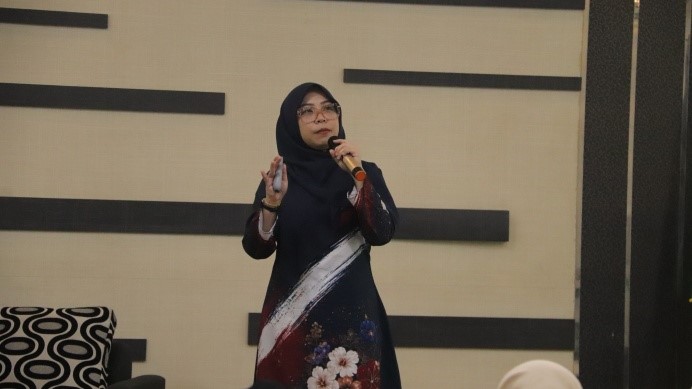
FIKKIA NEWS – Aquaculture students from the Faculty of Health, Medicine, and Natural Sciences (FIKKIA) at Universitas Airlangga (UNAIR) broadened their knowledge of the challenges of the aquaculture ecosystem through an International Guest Lecture. The event took place at the Mojo Hall of FIKKIA UNAIR on Thursday, August 27, 2026, and featured academics. National University of Malaysia (UKM), Dr. Suriyanti Su, Ph.D.
A total of 65 third-semester Aquaculture students enthusiastically participated in the event. Dr. Suriyanti, an academic from the UKM Department of Earth Science and Environment and the UKM Marine Science Program Coordinator, delivered a presentation entitled “Harmful Algae Dynamics in Aquaculture Ecosystems”.
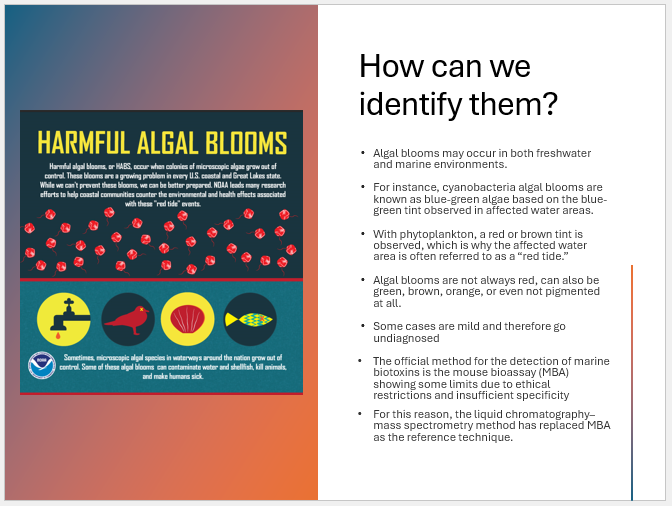
The material discusses the phenomenon Harmful Algal Blooms (HABs) are a significant challenge in managing aquaculture ecosystems. Harmful algal blooms can impact aquatic environments, aquaculture productivity, and even human health.
Understanding the Triggering Factors of HABs
In her presentation, Dr. Suriyanti explained that HABs occur when certain microalgae grow rapidly and produce toxins. This condition can disrupt the balance of the ecosystem and cause economic losses in the fisheries sector.
Nutrient-rich aquaculture environments can also increase the risk of algal blooms. One triggering factor is eutrophication caused by excessive nutrient input from human activities and agriculture.
"Eutrophication is the main factor triggering algal blooms. The decomposition of algal masses by bacteria causes a surge in biochemical oxygen demand," explained Dr. Suriyanti.
This increased oxygen demand can reduce dissolved oxygen levels in the water, potentially jeopardizing the health and survival of cultivated organisms.
Modern Technology for Toxin Detection
In addition to nutritional factors and the physical condition of the waters, Dr. Suriyanti explained the role of biological interactions in the dynamics of HABs. Natural predators such as rotifers, zooplankton, and amoeba can influence the growth of algal populations.
These interactions also determine the growth of algae in the ecosystem. Certain environmental conditions can also affect the algae's ability to survive, experience population declines, or produce toxins. In terms of detection, technological advances have also transformed maritime toxin identification methods. Mouse Bioassay (MBA) is starting to be abandoned because it has limited specificity and raises ethical issues regarding animal use.
As an alternative, technology Liquid Chromatography–Mass Spectrometry (LC-MS) is used for more specific toxin analysis. This technological development is a crucial part of supporting fishery product safety monitoring systems.
Open Opportunities for International Collaboration
Dr. Suriyanti's presentation encouraged active student discussion. Questions ranged from strategies for controlling toxic algae in local ponds to the application of LC-MS technology in aquaculture systems.
The guest lecture also provided an opportunity for students to learn about educational and research opportunities at UKM. Dr. Suriyanti introduced the master's program. MSc in Marine Science as well as research scholarship opportunities for students who wish to continue their studies.
Through this activity, FIKKIA UNAIR Aquaculture students are expected to understand the ecological challenges in aquaculture development. This knowledge can also encourage students to develop innovations that maintain ecosystem balance and support food security.
The International Guest Lecture also strengthened FIKKIA UNAIR's commitment to building a global academic network. This activity aligns with the Sustainable Development Goals (SDGs), particularly Goal 14 (Life Below Water) and Goal 17 (Partnerships for the Goals).
Through collaboration with international academics, FIKKIA UNAIR students are expected to be better prepared to face future aquaculture challenges. Strengthening global perspectives also provides capital for developing sustainable marine research and innovation.
Author: Farra Azzarani
Editor: Avicenna C. Nisa