


FIKKIA NEWS – Post-campus life is a particular fear for students currently completing their academic years. The opportunities and demands of the workplace continue to grow increasingly competitive. Today's industry demands more than just academic ability, demonstrated by a GPA. soft skills and the networks built on campus are also important to develop to strengthen competencies.
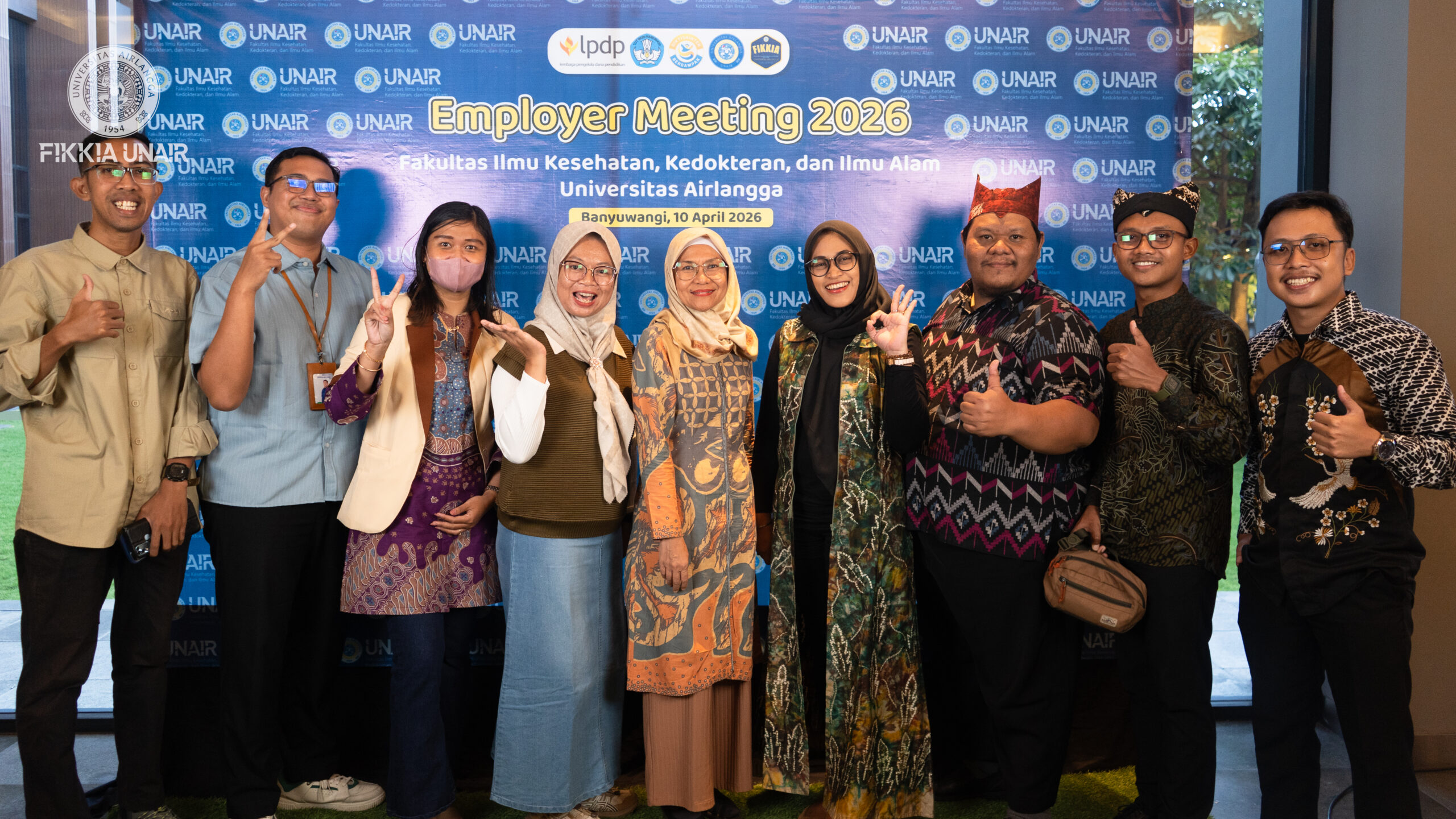
So, what should Generation Z's workforce prepare to hone these soft skills? FIKKIA NEWS contributors have gathered perspectives from impactful alumni. These alumni include: drh. Anggun Mochammad Yusuf (KH 14), drh. Aditya Yudha Pradika (KH ) Aisyah Rizki Syailina (AKUA 21), Fakhriyyah (AKUA 19), Oktario Dinansa Khoir (KESMAS 21), Bagas Aidi (KESMAS 17)They were specifically present at the 2026 Employer Meeting held by FIKKIA at the Kokoon Hotel Banyuwangi on Friday (April 10, 2026).
The presence of alumni from various generations provides diverse perspectives on career paths, professional challenges, and the relevance of the learning process on campus to the needs of today's workforce.
Sharpen Communication Skills and Mental Resilience
Alumni emphasize that the college experience is not only about academics, but also the process of character building through organizations, field activities, and intense social interactions on campus.
They consistently highlight two main competencies that are considered to be very decisive for career success, namely: public speaking and mental toughness (mental resilience). These two aspects are considered non-academic skills that often differentiate graduates who adapt quickly from those who struggle early in their careers.
Public speaking is seen as more than just the ability to speak in public, but also the ability to convey ideas systematically, persuasively, and professionally. In the workplace, this skill is crucial because it directly relates to cross-professional communication, idea presentation, and team coordination.
"In the workplace, the ability to convey ideas clearly and confidently is key. It's not just the content of the idea, but how we communicate it so that it's accepted," said Oktario, who currently works as a General Occupational Health and Safety Expert at PT Malinau Hijau Lestari.
Meanwhile, mental resilience is an equally important aspect. Alumni emphasized that the transition from campus to the workplace often presents pressure, targets, criticism, and demands for rapid adaptation. Without proper mental preparation, individuals will struggle to survive the early stages of their careers.
"Work pressure is real. Deadlines, responsibilities, and high expectations are what we face every day. This is where our mental toughness is truly tested," said Bagas, Field Officer at Noora Health Indonesia.
Organization and Teamwork
Working is not the same as individual tasks, therefore, experience in student organizations, committees, and campus activities plays a significant role in developing public speaking and mental strength. These activities provide real-world practice in dealing with pressure, expressing opinions, managing conflict, and working in teams with diverse individual characteristics.
The resource person expressed his hope that FIKKIA would continue to strengthen the student soft skills development ecosystem through various more structured programs, including communication training, scientific discussion forums, and increased student involvement in leadership activities. This is considered crucial to addressing the challenges faced by Generation Z, who will enter the workforce with rapidly changing and collaboration-based industries.
In closing, the alumni described the forum's activities with three words: "reflective," "inspirational," and "constructive." This gathering has become a cross-generational learning space that strengthens the synergy between alumni and the institution in producing FIKKIA Universitas Airlangga Banyuwangi graduates who are superior, adaptive, and ready to face the challenges of the workplace with strong communication and mental skills.
Author: Princess Ajeng Aprisa Simorangkir
Editor: Avicenna C. Nisa


