


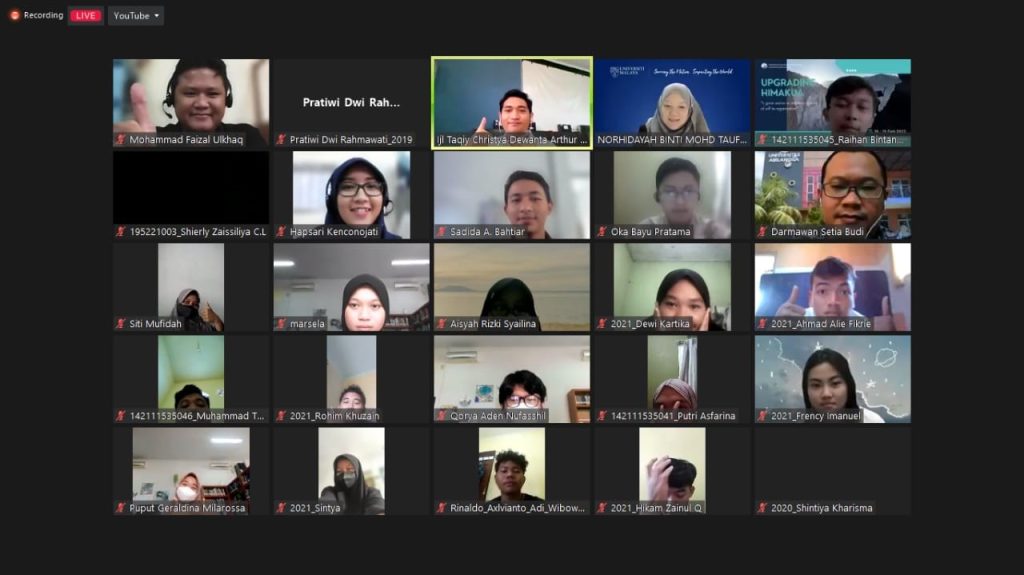
SIKIA NEWS – SIKIA Aquaculture Study Program, Airlangga University held a guest lecture again on Friday (25/11/2022) hybrid. The lecture was attended by 148 participants consisting of students and a number of Aquaculture lecturers through the zoom room and SIKIA Campus Meeting Room
Dr. Norhidayah Moch Taufek was present as a speaker in the guest lecture. He is a senior lecturer at the Institute of Biological Sciences (ISB) Faculty of Science, University Malaya (UM). Obtained a D degree from SB, UM in 2007 with a specialization in aquaculture nutrition research. Apart from teaching he is also involved in research with a demonstrated history of work in aquaculture using endocrinology of fish nutrition reproduction and aquaculture feed technology.
Larvae sinsects as feed
In his presentation, Dr. Norhidayah Moch Taufek introduced black soldier fly larvae as a feed ingredient. Black Soldier Fly (BSF) is a type of fly that is three times the size of an ordinary fly. Besides being useful for reducing the negative impact of organic material accumulation in nature, BSF larvae are also very good and economical to be used as feed ingredients for ornamental animals and livestock. The Black Soldier Fly (BSF) product is an organic alternative feed that is high in protein, good and safe for livestock consumption.
BSF larvae can be recycled as a source of protein in animal feed, which has been tested on several animals, such as fish, poultry, pigs and rabbits. BSF is able to produce as many as 700-900 eggs and within 21 days the larvae are ready to be processed.
The importance of alternative feed
The increase in human population since 1950, not matched by an increase in resources has made the need for food increasingly experiencing a crisis. In Asia, Indonesia ranks 3rd after India and China in having a diversity of algae and aquatic animal resources.
Factors of the current development of aquaculture
Availability of vaccinations for disease control, strains and quality feed are factors that contribute to the development of aquaculture. In addition, legal regulations made by the government must also support aquaculture actors and resources.
Alternative fish feeds and their challenges
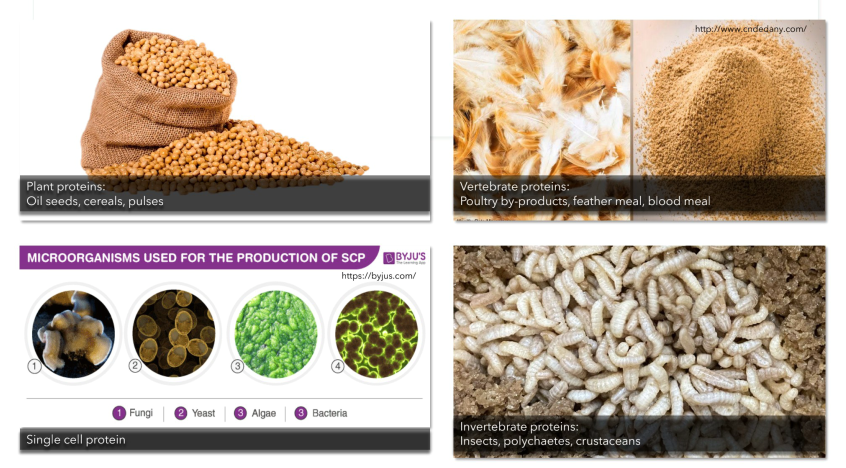
There is a fish feed product industry that refers to the process of raw agricultural products. The feed produced by the manufacturer is formulated to meet specific animal nutritional requirements for different animal species at different life stages. Several types of alternative aquafeed:
- Vegetable proteins: oilseeds, cereals, legumes
- Vertebrate protein: poultry by-products, blood meal, feather meal
- Microorganisms used for SCP production: fungi, yeast, algae, bacteria
- Protein Invertebrates: insects, polychaetes, crustaceans
Several factors influence the development of alternative feed ingredients, among others: cost, palatability (tasty level) of species, supply, composition and quality, performance, level of inclusion, digestibility of nutrients, durability of storage, free of pollution and free from harmful ingredients.
The lecture was closed with a group photo session through the zoom room. Muhammad Faizal Ulkhaq who also acts as a moderator hopes that in the future with the guest lecture yesterday it can pave the way for collaborative research and publications for lecturers, as well as conducting student exchanges (student inbound or outbound) which can improve student competency.
Author: Resty Oktavianingtyas Pratiwi
Editor: Acn


