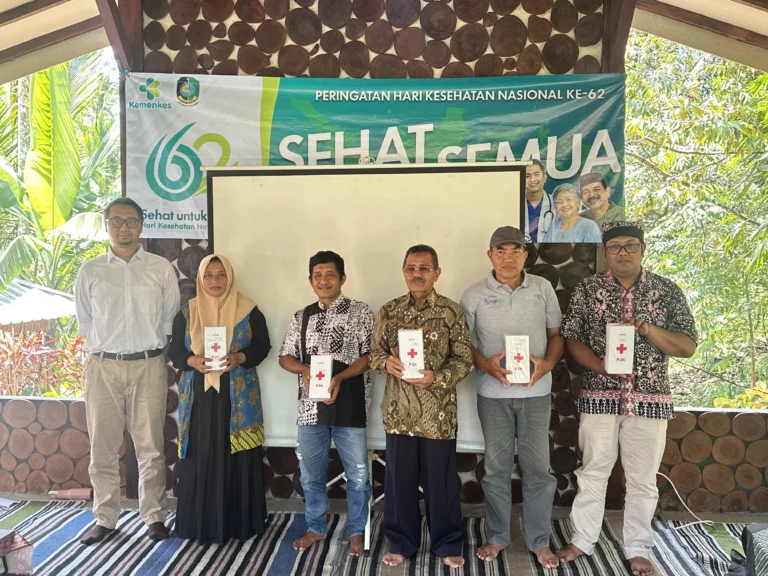
FIKKIA NEWS – Seminars and workshops RUBBISH or Change Shared Waste ToPH-E (Torch of Public Health Elevation) Becoming Ecobricks was successfully held on Sunday (26/11/2023). This activity was one of a series of events initiated by new students, PrProgram in Public Health Studies Faculty of Health, Medicine and Natural Sciences (FIKKIA). During the implementation, there were 77 elementary and middle school participants from Budi Mulya Orphanage, Darul Aitam Orphanage, and Mutiara Insan Orphanage. Also present were representatives of Mrs. Dharma Wanita, the caretaker of the orphanage, and the Head of Sumberejo Subdistrict. Located at the Budi Mulya Orphanage, Sumberrejo, Banyuwangi District, the committee presented Desy Darmawati Setyaning Utami (Deputy Chair of Eco Laku Lestari).
In line with SGD's target number 12, RUBBISH seminars and workshops support efficient management in the use of natural resources. The method used is to reduce waste production through prevention, reduction, recycling and reuse.
Waste Management Education for Orphanages
Activities that are included as one of the indicators for passing the BToPH (Basic Training of Public Health) cadre formation event are a challenge for new students to make the event a success. The choice of the Budi Mulya Orphanage as the host was not without reason. The committee feels that the orphanage's children have the right to receive education on plastic waste processing. One of the right solutions is to manage plastic waste by recycling (recycle) or reuse it (reuse). Not only does it have environmental benefits, recycling waste can reduce the costs incurred for waste management.
Processing Waste into Keychains
In delivering her material, Desy showed items that could be processed from plastic waste such as bags, key chains and wallets. In making key chains, the material used is plastic waste in the form of packaging sachet drinks and snacks that have been cleaned, scissors, glue, eye accessories and hanging rings.
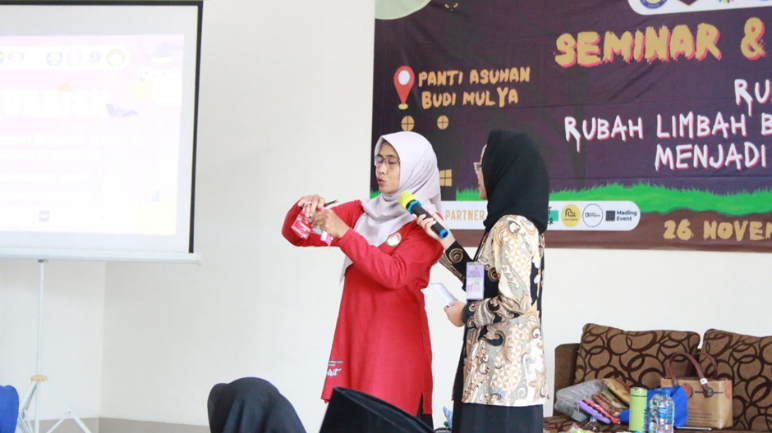
Initially, cut the plastic into two sides of the same length. Then fold it to the same size and cut the middle into several pieces according to the size of the plastic. Weave the body of the fish by joining one end with the other end. Tuck in alternately. After the weaving process is complete, fill the fish's body with plastic waste left over from manufacturing. Add eyes, key rings and glue to close the holes. Lastly, cut out the back side to resemble a fish tail.
On workshop RUBBISH In this event, participants were also invited to make key chains as a show of creativity. The components of neatness, weaving skills, and the choice of motifs used form an interesting idea for the product. As a result, 5 people who won the best key chains were selected.
Chief executive of ToPH-E, Moh. Aulia Huwaiza Effendi hopes that this activity can provide education for participants regarding waste processing.
Author: Uni Eska Mahmudi
Editor: Azhar Burhanuddin