


FIKKIA NEWS – The Student Executive Board (BEM) of Airlangga University held a campus field trip to the Faculty of Health, Medicine, and Natural Sciences (FIKKIA) in Banyuwangi. The event took place in the Mojo Campus Hall on Saturday (August 15, 2026).
The event provided a platform for FIKKIA students to express their aspirations, critiques, and address various academic and student issues. Members of the UNAIR Student Executive Board (BEM UNAIR), FIKKIA Student Executive Board (BEM FIKKIA), representatives from Student Organizations (Ormawa), Student Activity Units (UKM), and Interest and Talent Communities (Komikat) also participated.
Highlighting Campus Information Asymmetry
The outreach session was one of the main agenda items of the Campus Safari. The forum provided an opportunity for students to express various issues they face within FIKKIA Banyuwangi. One issue that received attention was the information asymmetry between the main campus in Surabaya and the FIKKIA Banyuwangi campus. This situation was deemed to have resulted in delays in students receiving administrative information.
The Head of AUBMO FIKKIA, Salsa Dwi Yunarpi (KESMAS 24), stated that the distribution of administrative information is still experiencing delays. This situation was one of the concerns conveyed to BEM UNAIR.
The UNAIR Student Executive Board (BEM) is collecting these aspirations and forwarding them to relevant parties at the university level. This step is expected to strengthen information coordination between the Surabaya and Banyuwangi campuses.
Monitoring the Development of the Mojo Campus
In addition to receiving input, BEM UNAIR also provided strategic information regarding the university's infrastructure development progress. BEM UNAIR President, M. Risqi Senja Virawan (FH 22), presented the transparency of the university's financing performance in the previous quarter. The total funding disclosed reached Rp250 billion.
Of this total, the construction of the FIKKIA Campus Building in Mojo received an allocation of Rp30 billion. This information is important news for the FIKKIA Banyuwangi academic community. The UNAIR Student Executive Board (BEM) also instructed FIKKIA officials to monitor the construction. FIKKIA is expected to provide brief reports on the physical progress of the building's construction periodically, given the high anticipation of the new building for the continuity of learning and the Tri Dharma (three pillars).
Strengthening Synergy through FGD
The Campus Safari series is also equipped with Focus Group Discussions (FGD). Discussions were conducted based on ministerial areas to share ideas and experiences between organizations. One of the discussion outcomes came from the Ministry of Social and Political Affairs (Sospol) of the FIKKIA Student Executive Board (BEM FIKKIA). The ministry drew inspiration from the Ministry of Justice and Gender Equality of the UNAIR Student Executive Board (BEM UNAIR).
The inspiration relates to the "Selaras" Program, or the Safe and Equal Space Advocacy Service Center. This program provides a centralized platform for complaints related to sexual violence on campus. The idea has the potential to be adapted at the FIKKIA level. The goal is to strengthen the mentoring system and create a safe and equal campus space for students.
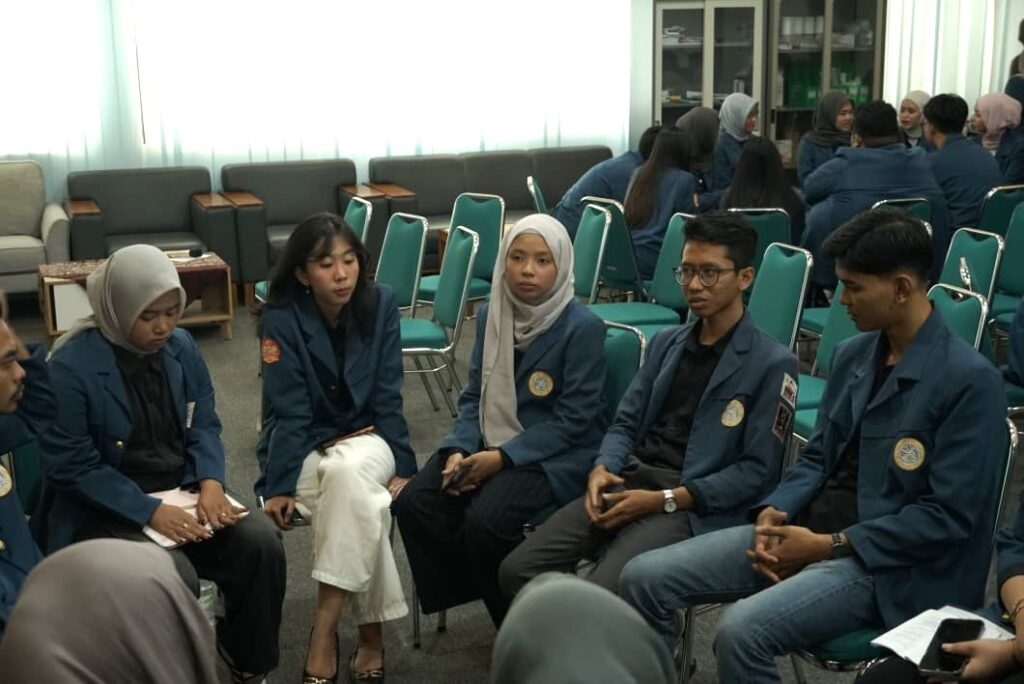
Through Campus Safari 2026, BEM UNAIR and the FIKKIA student organization strengthen communication between the Surabaya and Banyuwangi campuses. The forum not only serves as a forum for expressing aspirations but also provides opportunities for exchanging ideas and developing programs.
This synergy is expected to build a more integrated UNAIR student ecosystem. Collaboration between the university's Student Executive Board (BEM), the FIKKIA Student Executive Board (BEM FIKKIA), and various student organizations is also expected to result in advocacy and programs that are more responsive to student needs.
Author: Satria Farrely Ardiansyah
Editor: Avicenna. C. Nisa