FIKKIA NEWS – Data quality is a critical aspect in determining management actions for vannamei shrimp ponds. Physical, chemical, and biological water parameters need to be monitored regularly so that farmers can make decisions based on pond conditions.
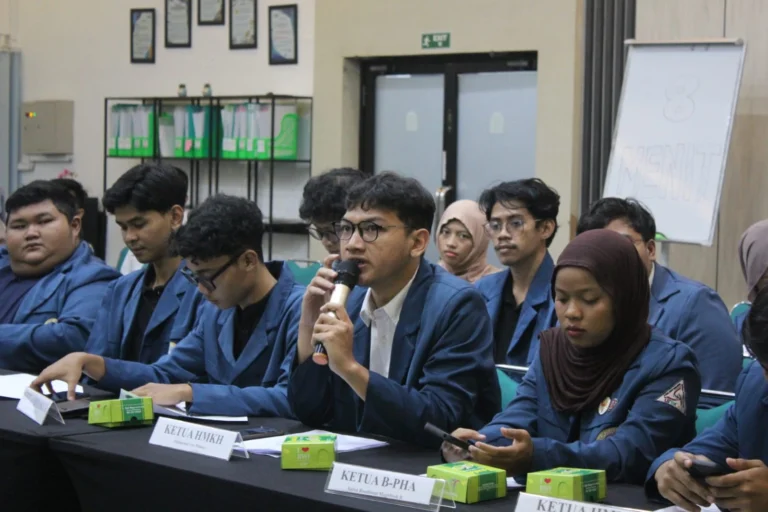
This was conveyed by the Chairman Shrimp Club Indonesia (SCI) Banyuwangi Branch, Ir. Yanuar Toto Raharjo, in the Vannamei Shrimp Health Management Laboratory Workshop. The event took place in the Giri Campus Meeting Room of FIKKIA Airlangga University, Banyuwangi, on Saturday (September 12, 2026).
Data Integrity Determines the Accuracy of Pond Treatment
In his presentation, Yanuar explained the importance of precision and accuracy of water quality data. According to him, this data forms the basis for determining treatment (treatment) that suits the pond conditions.
He emphasized that shrimp farming management involves more than just caring for the farmed animals. The condition of the aquatic environment also requires attention, as changes in these parameters can impact shrimp health and growth.

Water quality data, he continued, should not be obtained from a single measurement. Monitoring needs to be conducted routinely and in a structured manner to identify patterns of parameter changes over time.
See also: FIKKIA UNAIR Collaborates with SCI and FORTEL to Hold Vannamei Shrimp Health Management Workshop
Validating measurement methods is also crucial for maintaining data quality. Reference standards such as SNI or ISO can be used depending on the needs and testing methods employed.
Inaccurate data can lead to erroneous interpretations. This situation could potentially lead to farmers providing treatments inappropriate for the water conditions.
Understanding the Relationship Between Water Quality Parameters
The material also discusses the relationship between various water quality parameters and pond environmental conditions. One of these is the dynamics of Dissolved Oxygen (Dissolved Oxygen/DO) which can change throughout the daily cycle.
Participants were also taught to understand the nitrogen cycle through the parameters of Total Ammonia Nitrogen (TAN), nitrite, and nitrate. All three must be monitored as part of monitoring the condition of aquaculture waters.
Furthermore, Yanuar explained the relationship between pH and alkalinity in maintaining water conditions. These parameters cannot be interpreted in isolation, as changes in one can be related to changes in the other.
Biological monitoring was also part of the discussion. Participants were introduced to observing algal communities, including the Chlorophyta, Chrysophyta, and Cyanophyta groups.
Bacterial components also need to be considered in monitoring the health of pond environments. Parameters such as Total Bacterial Count (TB) and Total Vibrio Count (TVC) can be part of the examination of the microbiological condition of water.
Data Supporting Aquaculture Biosecurity
Understanding water quality data is part of implementing data-based cultivation management (data-driven aquaculture). This approach helps farmers connect measurement results with actual pond conditions.
In intensive farming systems, this information can be used in conjunction with other production parameters, including feed use efficiency as reflected through Feed Conversion Ratio (FCR).
Environmental monitoring is also related to biosecurity implementation. By understanding changes in water conditions, farmers can evaluate and determine management measures based on the measured conditions.
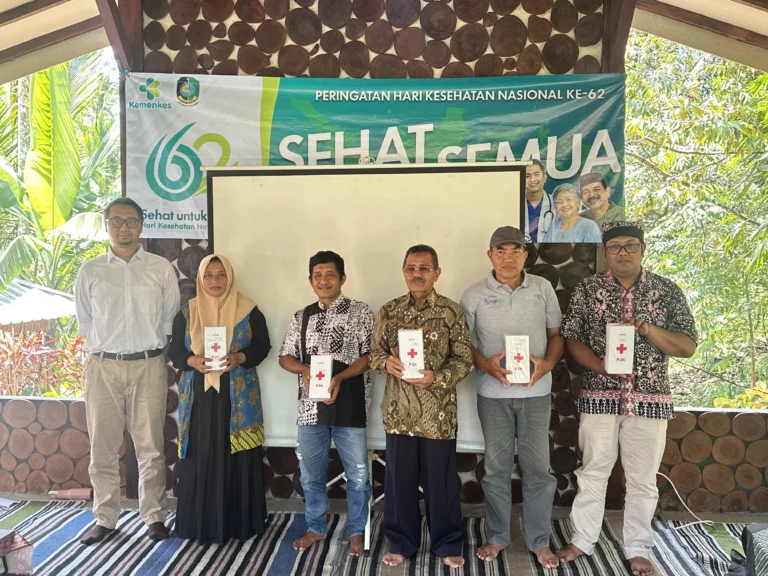
This workshop brought together academic and practitioner perspectives to discuss shrimp health management. It also provided participants with a platform to understand the use of laboratory data in field decision-making.
Author: Farra Azzahrani
Editor: Avicenna C. Nisa