


FIKKIA NEWS – Sound horeg is a common occurrence at celebrations and parades in East Java. The combination of these audio devices produces high volumes, reaching 130-135 decibels (dB). Exposure to this extreme sound can potentially cause permanent hearing damage. Ear, Nose, Throat, Head, and Neck (ENT-KL) Specialist FIKKIA UNAIR Image of Dwi Novastuti highlighting the dangers resulting from the frequency of the sound vibrations produced.
Citra explained that short-term or long-term exposure to loud noises can cause hearing loss known as Noise-Induced Hearing Loss (NIHL). Influencing factors include sound intensity, frequency, and duration of exposure.
“High-intensity sound, even for a short period of time, can damage the tiny hair cells in the cochlea, which process sound,” he said.

Noise Threshold
International health standards set a safe daily noise threshold of 85-90 dB. Sounds above 90 dB are considered hazardous and require ear protection, especially for those working in noisy environments. Exposure to high-pitched sound at 130 dB can only be tolerated for approximately 1,5 seconds without risk of damage. Beyond this, the body risks permanent damage to the cochlear hair cells, leading to hearing loss and even deafness.

The long-term effects of exposure to loud noise are devastating, especially when it occurs at a young age. Damage to the hair cells of the cochlea causes permanent hearing loss, with the risk of deafness occurring throughout productive years, not just in old age. This can hinder an individual's ability to work and interact socially.
An early symptom that's often overlooked is tinnitus, or intermittent ringing in the ears. If exposure to loud noises continues, tinnitus can progress to significant hearing loss, such as difficulty understanding conversations in a crowd.
Love Your Ears
Absolute prevention involves avoiding or limiting exposure to loud noise. If unavoidable, the use of ear protection such as earplugs or earmuffs is recommended in environments with noise levels above 80 dB. Earphone use should also be limited using the 60-60 rule, which uses a maximum volume of 60 percent and a maximum duration of 60 minutes per day.
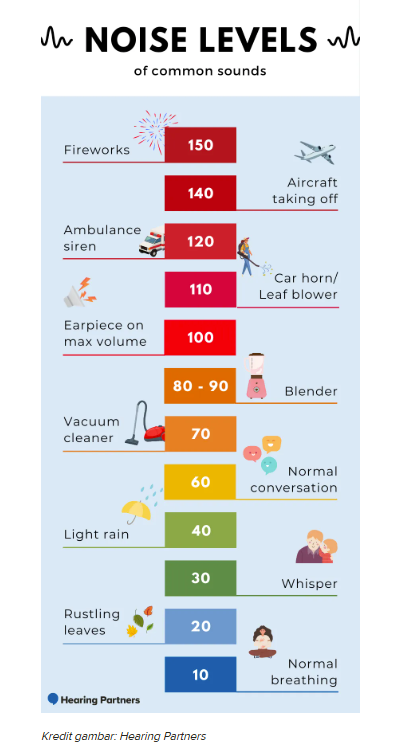
People who frequently encounter noisy environments are advised to undergo regular hearing screenings. An ENT doctor will perform audiometry and other ear examinations. Noise-measuring technology, such as the DBmeter app, also plays a crucial role in monitoring ambient sound levels and taking preventative measures.
Permanent Hearing Loss
Damage that has already occurred is irreversible (cannot be reversed or reversed), so the primary focus is prevention. Some medications with antioxidants, such as ginkgo biloba, may help protect the auditory nerve. However, other traditional treatments have not been scientifically proven to be effective. Those with severe hearing loss may benefit from hearing aids or cochlear implants as rehabilitation.
"Noise is a real cause of deafness. Avoid noise now for a healthy hearing future," advised Dr. Citra.
Loud noise is much more than entertainment; it's a serious threat to hearing health. Consistent awareness and preventative measures are needed to protect current and future generations.
Author: Ajeng Aprisa Simorangkir
Editor: Avicenna C. Nisa


