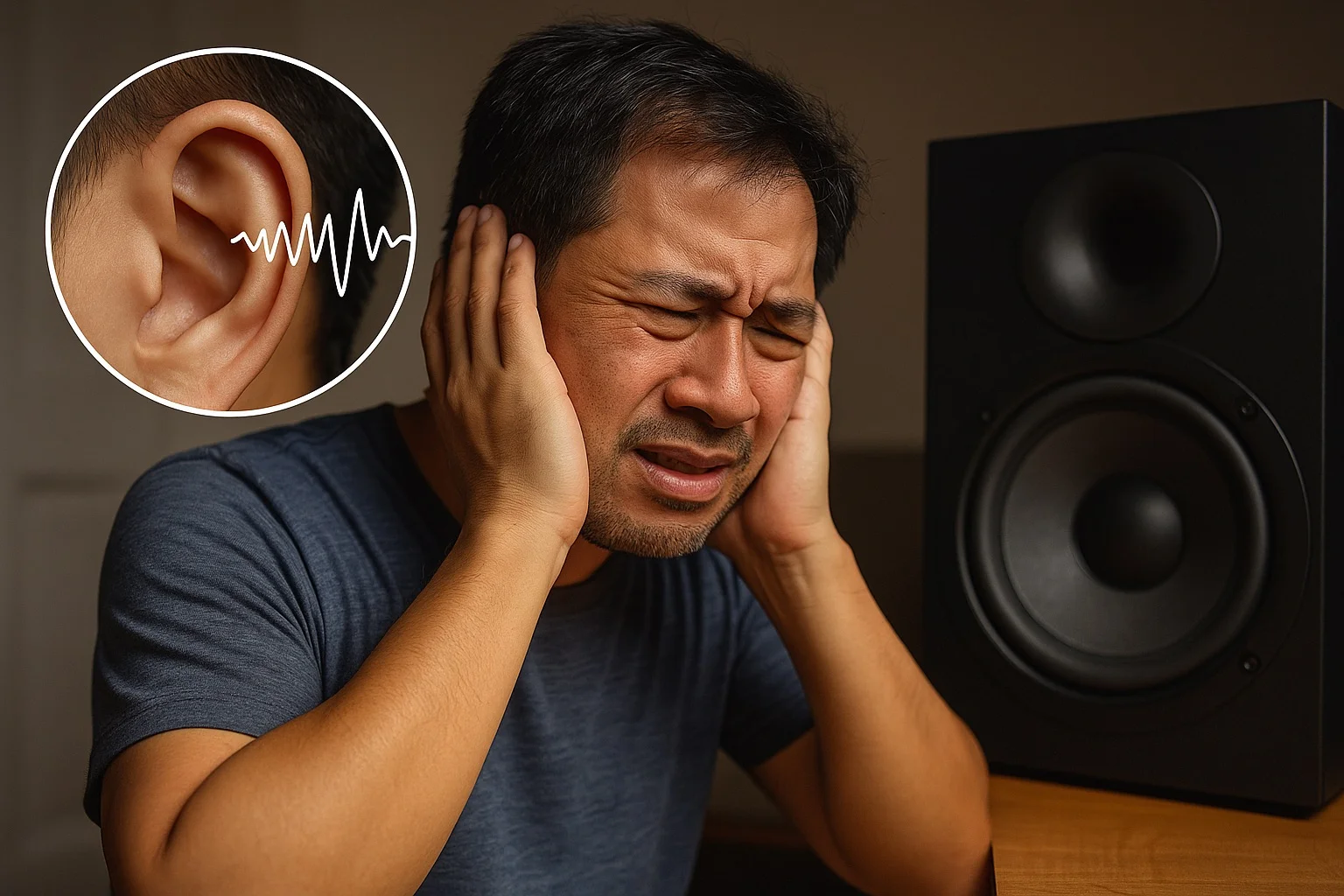
FIKKIA NEWS – The phenomenon of using a high intensity loudspeaker system or what is popularly called sound horeg often attracts public attention. Behind the booming sound, which can be heard from a certain distance, there are health issues that should not be ignored, particularly the risks to the hearing system. Exposure to loud noise depends not only on the intensity of the sound but also on the duration and frequency of a person's exposure to noisy environments.

Ear, Nose, and Throat specialist doctor, Dr. Citra Dwi Novastuti, Sp.THTBKL, explains that the part of the ear that is most susceptible to damage due to noise exposure is the hair cells in the cochlea.
“The structures most vulnerable to noise are hair cells (hair cells) in the cochlea or cochlea of the inner ear, especially the outer hair cells (outer hair cells/OHC)," he said.
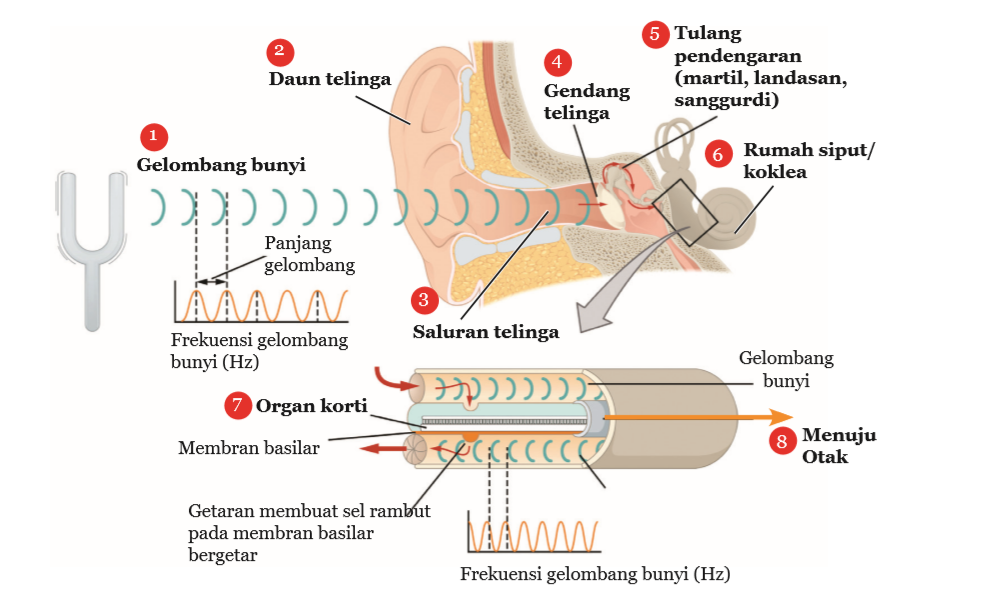
When viewed from an anatomical and physiological perspective, the human hearing process actually involves a quite complex system. Sound waves are first captured by the outer ear and transmitted until they vibrate the eardrum. These vibrations are then transmitted and amplified by the auditory ossicles in the middle ear.
Cells that Play a Role in the Hearing Process
Next, the vibrations reach the inner ear, specifically the cochlea or snail. Within this structure, mechanical vibrations are converted into electrical impulses via hair cells (hair cells). The impulses are then carried by the auditory nerve to the brain until humans can finally perceive sound.
These hair cells play a crucial role in the hearing process. When the ear is exposed to excessive sound energy continuously, these structures can become damaged. This is why exposure to high-intensity sound requires attention, especially if it occurs over a long period or repeatedly.
Consequences of High Intensity Sound Exposure
According to Dr. Citra, sounds with an intensity of more than 85 dB can be harmful to the hearing system because the sound energy entering the ear is large enough to cause injury to the hair cells in the cochlea, especially if the exposure is prolonged or occurs repeatedly.
However, 85 dB doesn't necessarily mean someone will immediately experience hearing loss upon exposure to sounds above that level. The risk of damage is still related to a combination of factors.
"The higher the intensity, the shorter the exposure time required to cause damage. Eighty-five dB is not a threshold, meaning that a single exposure to 86 dB will definitely cause damage. The risk depends primarily on the intensity, duration, and frequency of exposure," he explained.
A key concern is the regeneration capacity of human hair cells. Unlike some body tissues, which can repair themselves after damage, hair cells in the cochlea have serious limitations.
"Repeated or prolonged exposure to noise can cause permanent hair cell death because in humans, cochlear hair cells cannot regenerate," said Dr. Citra.
This condition explains why long-term exposure to noise can increase the risk. Noise-Induced Hearing Loss or noise-induced hearing loss. This risk becomes more serious if someone is exposed to high-intensity sound sources for prolonged periods.
Author: Princess Ajeng Aprisa Simorangkir
Editor: Avicenna C. Nisa